

Does State Farm Have Pet Insurance?
Introduction
Pet ownership has become more than simply caring for an animal. For many families, pets are companions, emotional support partners, and valued members of the household. As veterinary treatments become more advanced, the cost of medical care for dogs and cats continues to increase. Because of this, many pet owners search for insurance options that can help reduce unexpected expenses.
One common question that appears frequently is: Does State Farm have pet insurance?
The short answer is yes. However, the answer is slightly more complex than many people expect. State Farm itself does not directly underwrite pet insurance policies. Instead, it works with a trusted pet insurance provider that offers coverage options for eligible pets.
Understanding how this relationship works, what coverage is available, and whether it is the right choice for your pet is important before purchasing a policy.
This guide explains everything you need to know.
Does State Farm Offer Pet Insurance?
Yes, State Farm offers access to pet insurance through a partnership with a third-party provider. Customers can explore pet insurance options through State Farm agents or official channels, but the actual policy administration and claims process are handled by the insurance partner.
This arrangement is common in the insurance industry. Many major insurers provide specialized coverage through partnerships rather than developing separate internal programs.
For pet owners, the important point is that coverage is available, even though State Farm itself does not directly manage every aspect of the policy.
Does state farm have pet insurance for dogs
The process is relatively simple:
- Request a quote.
- Choose your coverage options.
- Select reimbursement levels.
- Choose an annual deductible.
- Enroll your pet.
- Submit claims after veterinary treatment.
Once the veterinarian provides treatment, the pet owner pays the bill upfront. Afterward, eligible expenses may be reimbursed according to the policy terms.
This reimbursement model is standard across many pet insurance companies.
What Animals Are Covered?
Most policies focus primarily on:
- Dogs
- Cats
Some limitations may apply based on:
- Age
- Existing medical conditions
- Breed-related risks
- Geographic availability
Young pets generally qualify more easily and often receive lower premiums.
Coverage for Accidents
Accident coverage typically includes:
- Broken bones
- Bite injuries
- Cuts and wounds
- Swallowed objects
- Poisoning
- Emergency surgeries
- Vehicle accidents
Accidents happen unexpectedly, and treatment costs can quickly become expensive.
For example, a simple emergency surgery may cost several thousand dollars. Insurance can help reduce the financial burden.
Coverage for Illnesses
Illness coverage often includes:
- Cancer treatments
- Infections
- Digestive problems
- Arthritis
- Skin conditions
- Diabetes
- Respiratory diseases
- Kidney disorders
Chronic illnesses can require ongoing medication and frequent veterinary visits. Insurance may provide valuable long-term financial protection.
What Is Not Covered?
Most pet insurance policies exclude:
Pre-existing Conditions
Conditions diagnosed before enrollment are usually excluded.
Cosmetic Procedures
Procedures performed only for appearance reasons generally are not covered.
Breeding Expenses
Breeding-related costs often fall outside standard coverage.
Preventable Diseases
If vaccinations or preventive care requirements are ignored, certain claims may be denied.
Understanding exclusions before purchasing coverage is essential.
Preventive Care Options
Some plans may offer optional wellness coverage that can include:
- Vaccinations
- Annual exams
- Flea prevention
- Tick prevention
- Routine blood work
- Dental cleaning
These wellness plans are often separate from accident and illness coverage.
How Much Does Pet Insurance Cost?
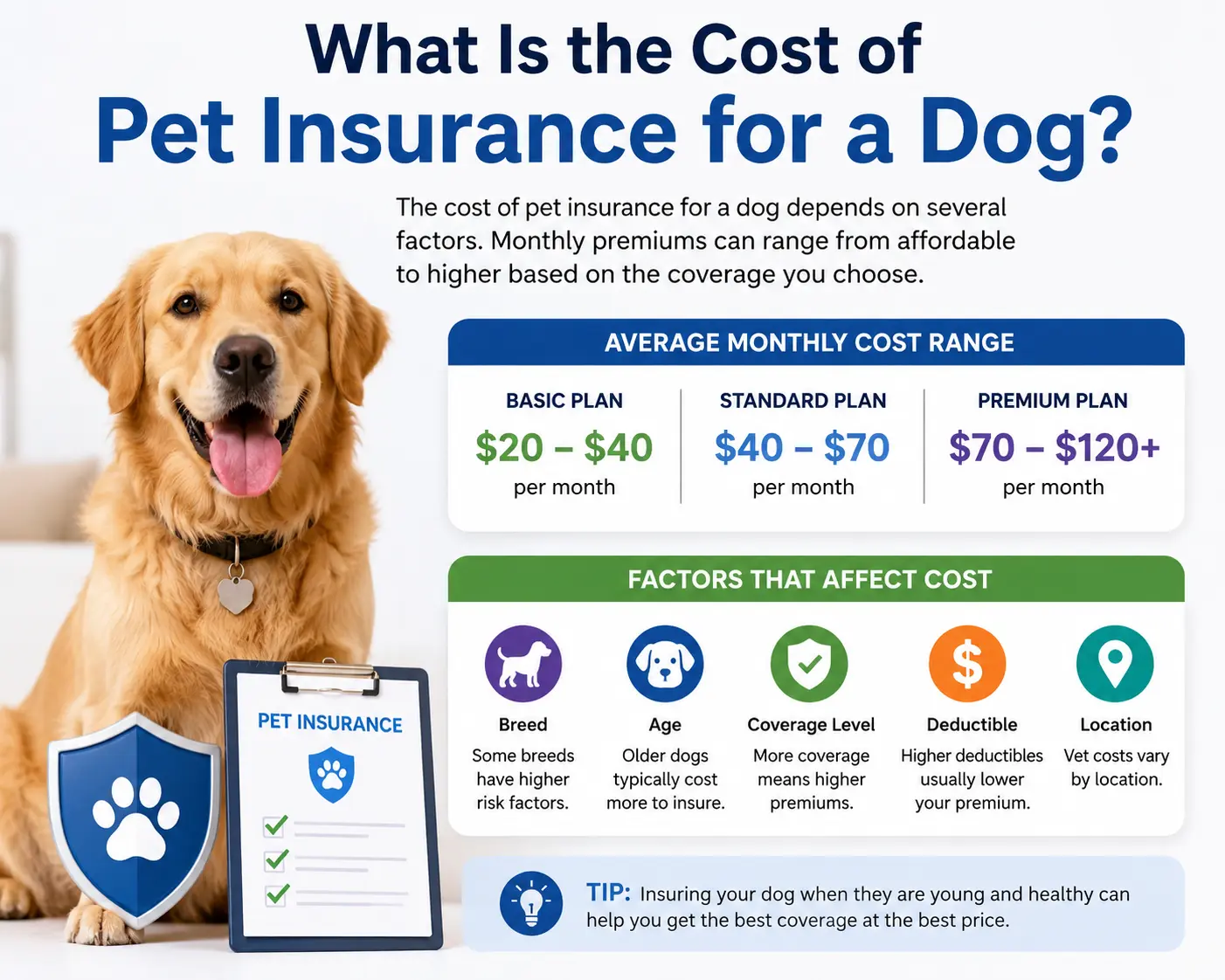
Several factors influence pricing:
Pet Age : Older pets generally cost more to insure.
Breed : Certain breeds have higher medical risks.
Location : Veterinary costs vary by region.
Coverage Level :Higher reimbursement percentages usually increase premiums.
Deductible Amount : Higher deductibles often lower monthly costs.
Younger and healthier pets typically receive the most affordable rates.
Reimbursement Options
Many pet insurance plans allow customers to choose reimbursement percentages such as:
- 70%
- 80%
- 90%
For example:
- Veterinary bill: $2,000
- Deductible: $250
- Reimbursement: 80%
The insurance provider may reimburse a large portion of the eligible expenses after the deductible is met.
Waiting Periods
Most pet insurance plans include waiting periods.
Examples may include:
- Accident coverage: a few days
- Illness coverage: several days or weeks
- Orthopedic conditions: longer waiting periods
Coverage does not begin immediately after enrollment.
Personal Experience and Practical Advice
Many pet owners only consider insurance after an emergency occurs. One of the biggest lessons experienced owners often share is to enroll pets while they are young and healthy.
A puppy or kitten may seem perfectly healthy today, but unexpected accidents and illnesses can happen at any time.
Having insurance before problems develop often provides broader coverage and lower premiums.
Another useful tip is to maintain copies of veterinary records. Organized medical history can make claims easier and faster.
What Is the Cost of Pet Insurance for a Dog?
The cost of pet insurance for a dog varies based on the dog's age, breed, coverage level, and location. Monthly premiums typically increase for older dogs and more comprehensive plans.
Pros of State Farm Pet Insurance
Trusted Brand Association
Many customers already have existing insurance policies and appreciate dealing with familiar companies.
Flexible Coverage
Different reimbursement levels allow customization.
Financial Protection
Unexpected veterinary bills can become manageable.
Multiple Coverage Options
Owners can select coverage that matches their budget.
Potential Drawbacks
Third-Party Administration
Claims are handled by the insurance partner rather than State Farm itself.
Pre-existing Condition Exclusions
Existing health issues are generally not covered.
Waiting Periods
Immediate coverage is usually unavailable.
Premium Increases
Costs may rise as pets age.
Is State Farm Pet Insurance Worth It?
For many pet owners, the answer is yes.
Insurance may be especially valuable if:
- Your pet is young.
- You want protection against emergencies.
- You prefer predictable monthly costs.
- You want help managing expensive treatments.
However, owners with significant emergency savings may choose to self-fund veterinary expenses.
The right decision depends on your financial situation and your pet's health needs.
equipment finance insurance
Final Thoughts
So, does State Farm have pet insurance?
Yes, pet insurance is available through State Farm's partnership program. While State Farm does not directly administer every aspect of the coverage, pet owners can still access accident, illness, and optional wellness protection.
Choosing pet insurance is ultimately about preparing for the unexpected. Veterinary medicine continues to advance, but treatment costs also continue to rise.
By understanding coverage options, exclusions, reimbursement levels, and costs, pet owners can make informed decisions that protect both their finances and their pets.
A policy purchased early may provide long-term peace of mind and help ensure that medical decisions are based on what is best for the pet rather than what is affordable at the moment.
FAQ :
Does State Farm directly insure pets?
No. Coverage is offered through a partner company.
Are older pets eligible?
Eligibility may depend on age restrictions and policy rules.
Does pet insurance cover vaccinations?
Routine care is often available through optional wellness coverage.
Can I use any veterinarian?
Many plans allow visits to licensed veterinarians.
Are hereditary conditions covered?
Some hereditary conditions may be covered if they are not pre-existing.