

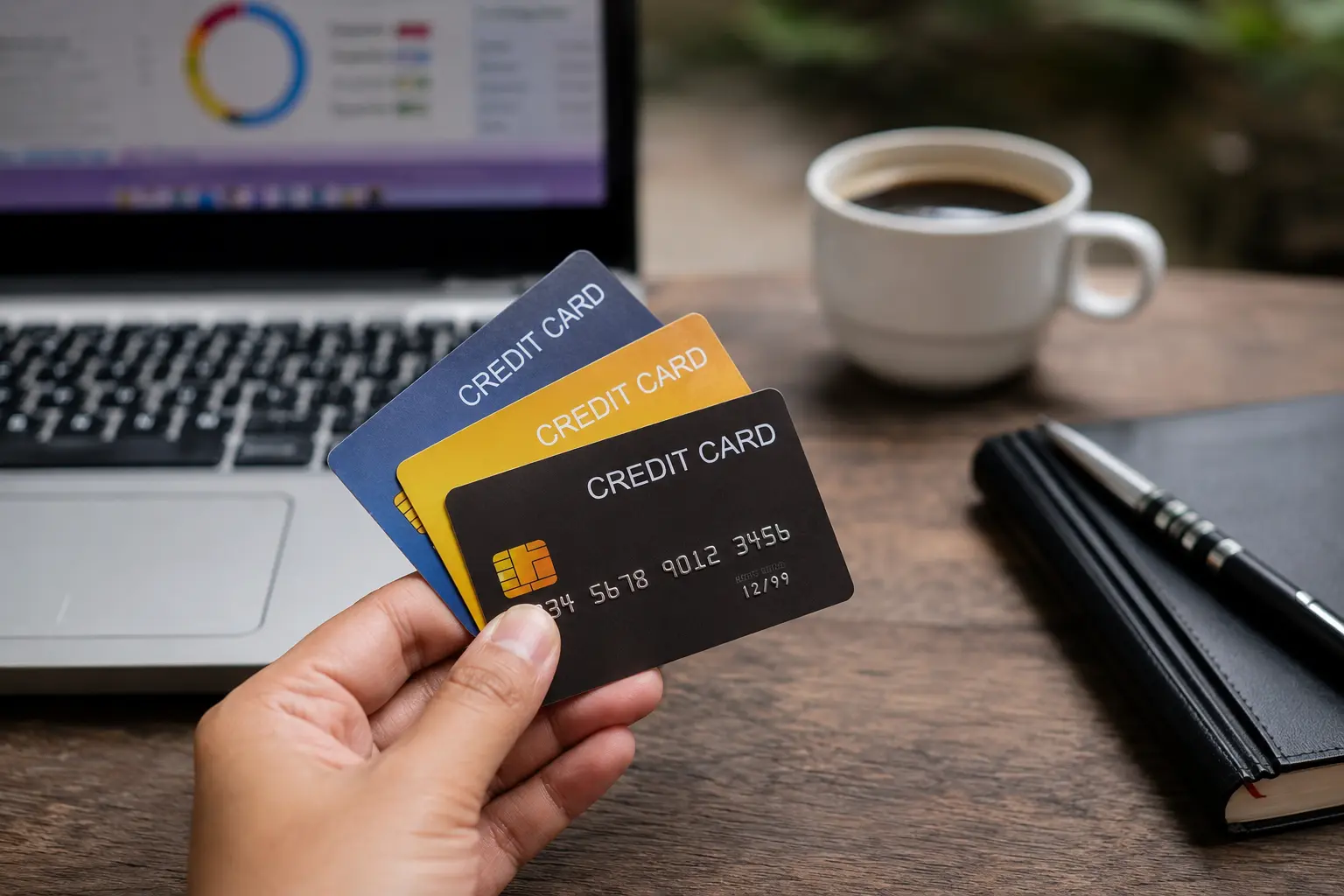
Getting your first credit card can feel exciting, but it can also be confusing. Many beginners assume a credit card is simply "extra money" they can spend whenever they want. In reality, a credit card is a financial tool that lets you borrow money temporarily with the expectation that you'll repay it according to the card agreement.
When used responsibly, a credit card can help build a strong credit history, improve financial flexibility, provide purchase protection, and even earn valuable rewards. However, poor habits can lead to expensive interest charges, debt, and damage to your credit profile.
This beginner-friendly guide explains exactly how credit cards work, what happens behind every transaction, how billing cycles operate, how interest is calculated, and the smartest ways to use your first credit card. Whether you're applying for your first card or already have one in your wallet, this guide will help you make informed financial decisions from day one.
What Is a Credit Card?
A credit card is a payment card issued by a financial institution that allows you to borrow money up to a predetermined spending limit. Instead of using your own money immediately, you're using the lender's money, which you agree to repay later.
Think of it as a short-term loan that renews every month.
Unlike a debit card, which withdraws money directly from your bank account, a credit card lets you delay payment until your monthly statement arrives.
Every purchase you make reduces your available credit until you repay the balance.
How Does a Credit Card Actually Work?
Understanding the basic process makes credit cards much less intimidating.
Here's what happens every time you use your card.
Step 1: You Make a Purchase
You swipe, tap, insert, or enter your card information during an online purchase.
The merchant requests authorization.
Step 2: The Card Issuer Pays the Merchant
If your transaction is approved, the card issuer pays the merchant almost immediately.
The merchant receives payment, even though you haven't paid your credit card bill yet.
Step 3: Your Balance Increases
The purchase amount becomes part of your outstanding balance.
For example:
- Credit Limit: $3,000
- Purchase: $250
- Remaining Available Credit: $2,750
Step 4: Your Monthly Statement Is Generated
At the end of each billing cycle, your issuer creates a statement showing:
- Total purchases
- Refunds
- Payments received
- Interest charged (if applicable)
- Minimum payment due
- Payment due date
- Total statement balance
Step 5: You Repay the Balance
You generally have several payment options:
- Pay the full statement balance
- Pay more than the minimum
- Pay only the minimum (least recommended)
Your payment choice affects whether you'll pay interest.
Understanding Your Credit Limit
A credit limit is the maximum amount you can borrow using your card.
For example:
Credit Limit: $5,000
Current Balance: $1,200
Available Credit: $3,800
As you make payments, your available credit increases again.
Beginners often receive lower limits, which may gradually increase after demonstrating responsible use.
What Is a Billing Cycle?
A billing cycle is the period during which your purchases are recorded before your monthly statement is created.
Most billing cycles last around one month.
Example timeline:
- Day 1: Billing cycle begins
- Day 12: Grocery purchase
- Day 18: Gas purchase
- Day 28: Online shopping
- Day 30: Statement generated
- Around Day 55: Payment due
Learning your billing cycle helps you plan payments more effectively.
What Is the Grace Period?
One of the biggest advantages of credit cards is the grace period.
If you pay your entire statement balance by the due date, you generally won't pay interest on new purchases.
This means you're borrowing money temporarily without additional borrowing costs.
However, if you carry a balance into the next billing cycle, interest may begin accumulating on eligible purchases according to your card's terms.
How Credit Card Interest Works
Interest is the cost of borrowing money.
If you don't pay your full statement balance, your issuer may charge interest on the unpaid amount.
Interest is usually expressed as an Annual Percentage Rate (APR).
Example:
Outstanding Balance: $1,000
APR: 20%
If you continue carrying that balance, interest is calculated according to your issuer's terms and added to your account.
This is why paying your statement balance in full whenever possible is one of the smartest financial habits.
What Is the Minimum Payment?
Every statement includes a minimum payment.
This is the smallest amount required to keep your account in good standing.
Although making only the minimum payment avoids late fees, it usually means:
- You'll pay interest
- Debt lasts much longer
- Total borrowing costs increase significantly
Paying your full statement balance is usually the most cost-effective strategy.
Understanding Credit Utilization
Credit utilization measures how much of your available credit you're currently using.
Example:
Credit Limit: $4,000
Current Balance: $800
Credit Utilization = 20%
Lower utilization generally reflects responsible borrowing habits.
Many financial professionals recommend keeping utilization comfortably below your available limit instead of consistently maxing out your card.
How Credit Cards Affect Your Credit History
Responsible credit card use helps establish a positive credit history.
Several factors commonly influence your credit profile.
Payment History
Making every payment on time is one of the most important habits.
Late payments can remain on your credit report for years.
Credit Utilization
Keeping balances relatively low compared to your limit demonstrates responsible borrowing.
Length of Credit History
Older accounts contribute to a longer credit history.
Closing your oldest card isn't always the best decision.
New Credit Applications
Applying for multiple cards within a short period may temporarily affect your credit profile.
Only apply when necessary.
What Happens If You Miss a Payment?
Missing a payment can have several consequences.
Possible outcomes include:
- Late payment fees
- Interest charges
- Damage to your credit history
- Reduced chances of future loan approval
- Higher borrowing costs
Setting up automatic payments can greatly reduce the risk of forgetting a due date.

Common Types of Credit Card Transactions
Credit cards can be used for much more than shopping.
Examples include:
Retail Purchases
Buying clothing, groceries, electronics, and household items.
Online Shopping
Paying securely through websites and mobile apps.
Travel Reservations
Booking flights, hotels, rental vehicles, and vacation packages.
Subscription Services
Streaming services, software subscriptions, and membership fees.
Emergency Expenses
Unexpected repairs or medical expenses when immediate cash isn't available.
What Is a Cash Advance?
A cash advance allows you to withdraw cash using your credit card.
Although convenient, cash advances often:
- Charge higher interest
- Include transaction fees
- Begin accruing interest immediately
Because of these additional costs, many financial experts recommend using cash advances only for genuine emergencies.
Understanding Credit Card Rewards
Many credit cards offer rewards programs.
Common reward types include:
Cashback
Earn a percentage back on eligible purchases.
Travel Rewards
Accumulate points or miles that can be redeemed for travel-related expenses.
Points Programs
Earn points that may be redeemed for merchandise, gift cards, or statement credits.
Rewards can provide meaningful value when balances are paid in full each month.
Credit Card Fees Beginners Should Know
Not every card charges the same fees.
Potential fees include:
- Annual fee
- Late payment fee
- Foreign transaction fee
- Balance transfer fee
- Cash advance fee
- Returned payment fee
Always read the card's pricing information before applying.
Security Features That Protect Cardholders
Modern credit cards include multiple layers of protection.
Common security features include:
- Fraud monitoring
- Chip technology
- Contactless payments
- Virtual card numbers
- Purchase protection
- Zero-liability fraud policies
- Two-factor authentication
These features often make credit cards one of the safest payment methods available.
Personal Experience: Lessons I Wish Every Beginner Knew
One of the most valuable lessons I've seen new cardholders learn is that a credit card works best when it's treated like a debit card.
A practical habit is to make purchases only when you already have enough money available in your bank account. This mindset helps prevent overspending because you're using the credit card for convenience and consumer protections—not to finance purchases you can't afford.
Another useful habit is checking your account once or twice each week instead of waiting for the monthly statement. Small, regular reviews make it much easier to spot unusual transactions, monitor your spending, and avoid surprises when the payment due date arrives.
These simple routines require only a few minutes but can save a significant amount of money and stress over time.
Common Mistakes Beginners Make
Many first-time cardholders make similar mistakes.
Avoid these habits whenever possible.
Paying Only the Minimum
This increases long-term interest costs.
Missing Due Dates
Late payments can hurt your financial reputation.
Maxing Out the Card
Using nearly all available credit may negatively affect your credit profile.
Applying for Too Many Cards
Too many applications in a short period can raise concerns for lenders.
Ignoring Statements
Review every statement carefully for errors or fraudulent charges.
Best Practices for Responsible Credit Card Use
Building healthy financial habits early makes credit cards much more beneficial.
Consider following these practices:
- Always pay on time.
- Pay your full statement balance whenever possible.
- Keep spending within your budget.
- Monitor transactions regularly.
- Use automatic payments for added convenience.
- Review your monthly statements carefully.
- Protect your card information.
- Report lost or stolen cards immediately.
- Avoid unnecessary cash advances.
- Read your card agreement before using new features.
Is a Credit Card Better Than a Debit Card?
Both payment methods have advantages.
Credit cards often provide:
- Better fraud protection
- Rewards programs
- Purchase protection
- Opportunity to build credit history
- Greater flexibility during emergencies
Debit cards, on the other hand, draw directly from your bank account, helping avoid borrowing altogether.
Many financially responsible consumers use both depending on the situation.
When Should You Get Your First Credit Card?
A first credit card can be a valuable financial tool if you:
- Have a reliable source of income.
- Can consistently pay bills on time.
- Understand how interest works.
- Plan to use the card responsibly.
- Have a monthly budget.
Getting a credit card before developing good financial habits can increase the risk of debt.
Final Thoughts
Learning how credit cards work is one of the most important financial skills for beginners. A credit card is neither free money nor something to fear—it is simply a borrowing tool that rewards responsible use and penalizes careless spending.
By understanding billing cycles, payment due dates, credit limits, interest charges, and credit utilization, you can confidently manage your first credit card while avoiding common mistakes. Paying your statement balance in full, monitoring your spending, and treating your credit card as a convenient payment method rather than an extension of your income will help you build a strong financial foundation for years to come.
Used wisely, a credit card can support your financial goals, improve your credit profile, provide valuable protections, and make everyday spending more convenient. The habits you build today will have a lasting impact on your future financial opportunities.