

What Is a Finance Charge on a Credit Card? A Complete Guide to Understanding Credit Card Costs
Introduction
Credit cards offer convenience, rewards, flexibility, and financial security. However, many cardholders become confused when they notice an additional fee called a finance charge on their monthly statements. Understanding this charge is essential because it directly affects how much you pay for using borrowed money.
A finance charge is one of the most important costs associated with credit card usage. Many people only focus on interest rates, but finance charges often include several other costs that can increase the amount owed.
Whether you are a first-time credit card user or someone trying to improve financial habits, understanding finance charges can help you save money, avoid debt, and use credit more responsibly.
This guide explains everything you need to know about finance charges on credit cards, including how they work, how they are calculated, how to avoid them, and practical tips for reducing credit card costs.
What Is a Finance Charge on a Credit Card?
A finance charge is the total cost of borrowing money through a credit card. It is the fee that a credit card issuer charges when you carry a balance beyond the payment due date.
Simply put, if you do not pay your entire statement balance during the grace period, the card issuer charges you for using their money. That charge appears on your statement as a finance charge.
Finance charges can include:
- Interest charges
- Cash advance fees
- Balance transfer fees
- Certain transaction fees
- Penalty charges in some cases
The finance charge represents the overall cost of credit.
Why Do Credit Card Companies Charge Finance Charges?
Credit card issuers lend money to consumers. Since they assume financial risk, they earn revenue through finance charges.
The main reasons include:
- Compensation for lending money
- Covering operational costs
- Managing lending risk
- Generating profit
- Encouraging responsible repayment behavior
When cardholders pay their balances in full every month, they often avoid finance charges entirely.
How Does a Finance Charge Work?
Suppose your credit card statement shows a balance of $1,000.
If you pay the full amount before the due date, you usually pay no interest.
However, if you only pay $300 and leave $700 unpaid, the remaining balance begins accumulating interest. The resulting interest becomes part of your finance charge.
This amount appears on your next statement.
For example:
- Statement balance: $1,000
- Payment made: $300
- Remaining balance: $700
- Finance charge: Added based on your card's annual percentage rate
The longer you carry a balance, the larger the finance charges become.
What Is APR?
APR stands for Annual Percentage Rate.
APR represents the yearly cost of borrowing money on a credit card.
For example:
- 15% APR
- 20% APR
- 25% APR
Credit card companies typically convert the APR into a daily interest rate.
Daily Periodic Rate:
20% ÷ 365 = 0.0548%
This rate is then applied to your outstanding balance.
How Is a Finance Charge Calculated?
Most credit card issuers use the average daily balance method.
Step 1: Determine the Daily Balance
Your balance may change throughout the month due to:
- Purchases
- Payments
- Credits
- Refunds
Step 2: Calculate the Average Daily Balance
The issuer adds all daily balances and divides by the number of days in the billing cycle.
Step 3: Apply the Daily Interest Rate
The average daily balance is multiplied by the daily periodic rate.
Example:
- Average daily balance: $1,500
- APR: 18%
- Daily rate: 0.0493%
- Billing cycle: 30 days
Finance charge:
$1,500 × 0.0493% × 30
Approximately $22.20.
Types of Finance Charges
1. Purchase Interest Charges
These are the most common charges and apply when you carry unpaid balances from purchases.
2. Cash Advance Charge
Using your credit card to withdraw cash often results in:
- Immediate interest charges
- Higher interest rates
- Additional transaction fees.
3. Balance Transfer Fees
Moving debt from one card to another may involve a transfer fee.
4. Late Payment Charges
Missing payment deadlines can trigger additional charges and higher interest rates.
5. Penalty APR Charges
Repeated late payments may increase your interest rate significantly.
What Is the Grace Period?
A grace period is the time between the statement closing date and the payment due date.
If you pay your full balance during this period, you generally avoid finance charges on purchases.
Most cardholders who consistently pay in full never pay interest.
When Are Finance Charges Applied?
Finance charges usually apply when:
- You do not pay your statement balance in full.
- You take a cash advance.
- You carry balances month after month.
- You miss payment deadlines.
- Promotional periods expire.
Understanding these situations helps avoid unnecessary costs.
Real-Life Example
Several years ago, I helped a family member review their credit card statement. They believed paying the minimum payment meant avoiding interest.
However, they only paid the minimum amount for several months.
Their original balance remained almost unchanged because finance charges continued accumulating every billing cycle.
After switching to full monthly payments, the finance charges disappeared entirely.
This experience demonstrates why understanding finance charges is essential for long-term financial health.
How to Avoid Finance Charges
Pay the Full Statement Balance
This is the most effective strategy.
Paying the entire balance before the due date usually eliminates purchase interest.
Make Payments Early
Early payments reduce your average daily balance.
Avoid Cash Advances
Cash advances often carry immediate interest charges.
Use Automatic Payments
Automatic payments help prevent missed due dates.
Monitor Spending
Keeping balances low reduces interest costs.
Pay More Than the Minimum
Minimum payments extend debt and increase finance charges.
Does Paying the Minimum Payment Avoid Finance Charges?
No.
Minimum payments prevent late payment penalties, but they do not eliminate interest charges.
Many consumers mistakenly believe the minimum payment avoids all fees.
In reality:
- The remaining balance continues accumulating interest.
- Debt lasts longer.
- Total borrowing costs increase.
Finance Charge vs Interest Rate
Many people confuse these terms.
Finance ChargeInterest RateActual dollar amount chargedPercentage rate appliedAppears on statementsExpressed as APRIncludes various feesPrimarily interest costChanges each monthUsually fixed or variableThe APR determines the interest rate, while the finance charge shows the actual amount paid.
Can Finance Charges Hurt Your Finances?
Yes.
Large finance charges can:
- Increase debt balances
- Slow debt repayment
- Reduce savings opportunities
- Increase financial stress
- Lower available credit
Managing credit responsibly can prevent these problems.
what is a finance charge
How to Reduce Existing Finance Charges
\
If you already carry credit card debt, consider these strategies:
Pay Extra Each Month
Even small additional payments reduce interest.
Make Multiple Payments
Biweekly payments lower average daily balances.
Focus on High-Interest Balances
Prioritize expensive debt first.
Limit New Purchases
Avoid adding new balances while paying down debt.
Consider Balance Transfers Carefully
Some promotional offers may reduce interest costs temporarily.
Common Finance Charge Myths
Myth 1: Credit Cards Always Charge Interest
False.
Paying your balance in full often avoids interest.
Myth 2: Minimum Payments Eliminate Charges
False.
Interest continues on unpaid balances.
Myth 3: Finance Charges Are Hidden Fees
False.
They are disclosed in card agreements and statements.
Myth 4: Small Balances Don't Matter
False.
Even small balances can accumulate interest over time.
Expert Tips for Managing Credit Cards
- Always review monthly statements.
- Set payment reminders.
- Keep credit utilization low.
- Avoid unnecessary debt.
- Understand your card's APR.
- Pay balances in full whenever possible.
These habits can save hundreds or even thousands of dollars over time.
Conclusion
Understanding what a finance charge on a credit card means is essential for responsible financial management. A finance charge represents the cost of borrowing money when balances are not fully paid.
By understanding how these charges work, how they are calculated, and how to avoid them, cardholders can make better financial decisions.
The best strategy remains simple: pay your statement balance in full whenever possible, avoid unnecessary borrowing, and monitor your spending habits regularly.
Credit cards can be valuable financial tools when used wisely, and understanding finance charges is one of the most important steps toward maintaining long-term financial health.
what is a finance charge on a loan
FAQ :
Is a finance charge the same as interest?
Not exactly. Interest is part of the finance charge, but finance charges may include additional fees.
Can finance charges be removed?
Sometimes customer service may waive certain fees, but interest charges usually apply according to the card agreement.
Do all credit cards charge finance charges?
Only when balances are carried, cash advances are used, or certain fees apply.
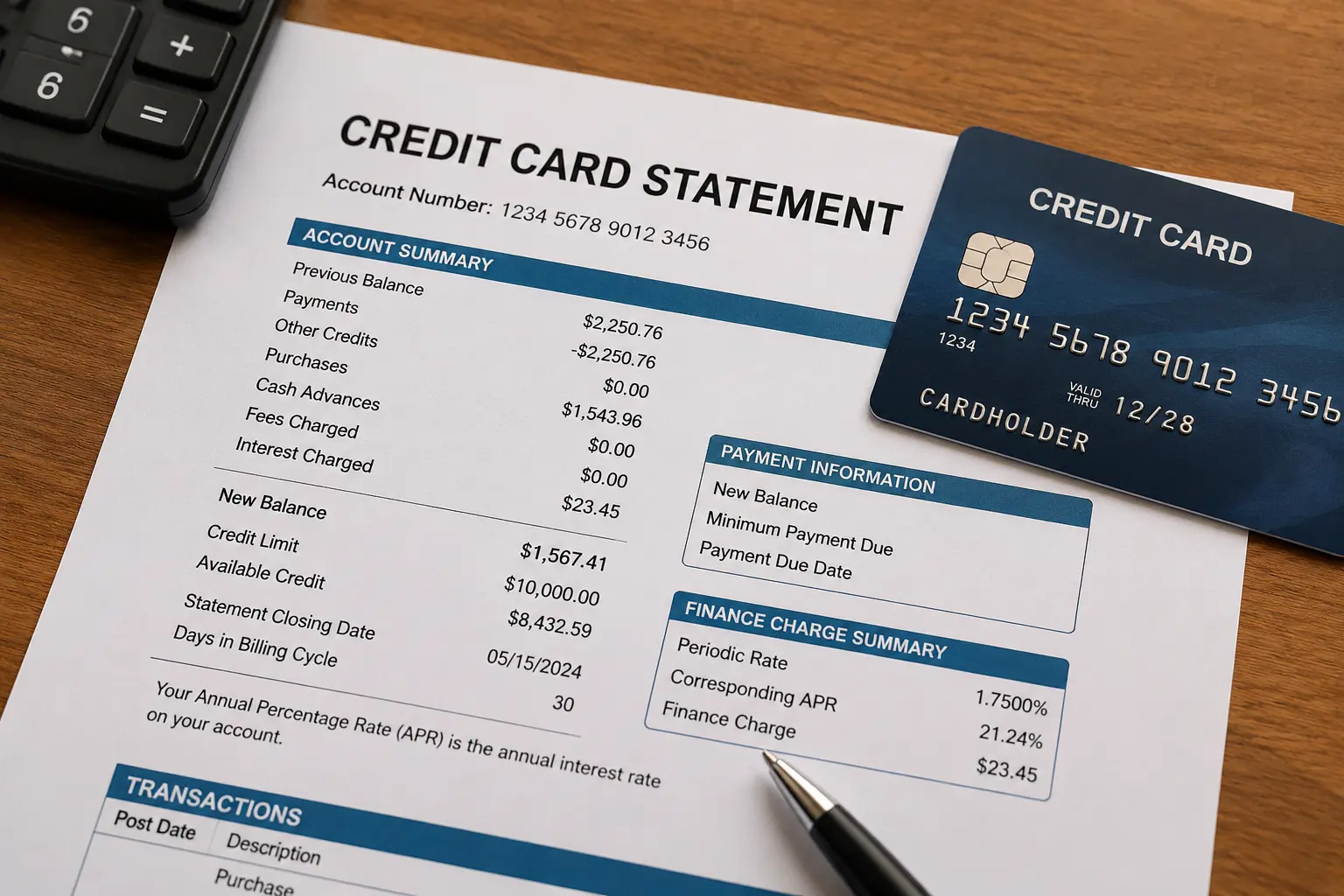
How can I see my finance charge?
Your monthly statement lists the finance charge separately.
Is a finance charge bad?
Not necessarily. It is simply the cost of borrowing money. However, large finance charges can become expensive over time.