

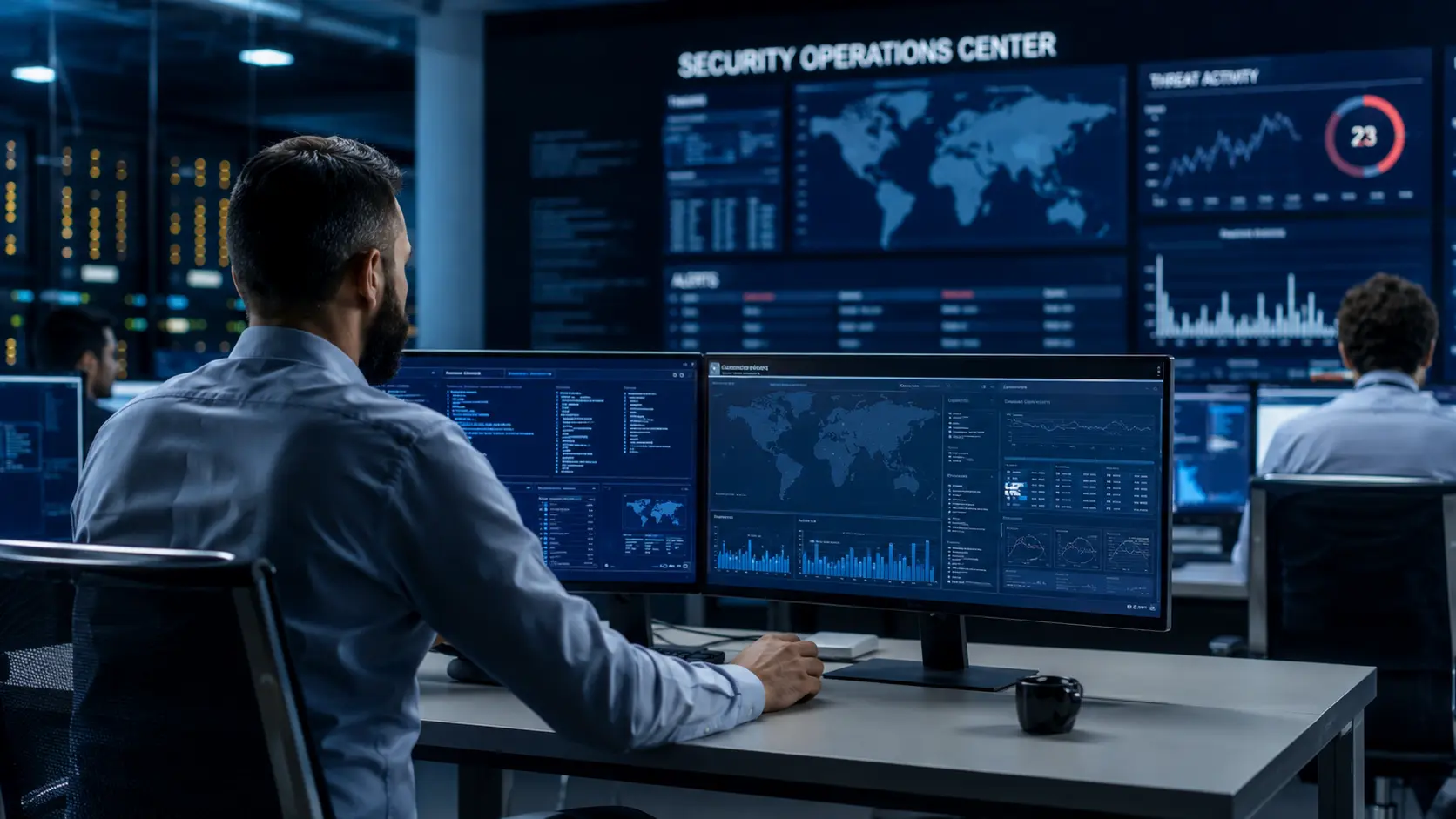
Why Security as a Service Is a Good Investment: A Complete Guide for Modern Businesses
Introduction
Cyber threats have evolved faster than most businesses can adapt. From ransomware attacks to data breaches and phishing campaigns, organizations of every size now face security risks that can disrupt operations, damage reputations, and create significant financial losses.
At the same time, maintaining an in-house cybersecurity team has become increasingly expensive. Hiring security specialists, purchasing enterprise-grade security tools, and keeping up with evolving threats require substantial investment.
This is where Security as a Service (SECaaS) has emerged as a practical and cost-effective solution.
Security as a Service allows organizations to outsource cybersecurity functions to specialized providers that deliver protection through cloud-based platforms. Instead of building and maintaining an expensive internal security infrastructure, companies gain access to advanced technologies, expert monitoring, and continuous protection through subscription-based services.
For many organizations, investing in Security as a Service is no longer just a cost-saving measure—it has become a strategic business decision.
What Is Security as a Service?
Security as a Service, commonly known as SECaaS, refers to cloud-delivered cybersecurity solutions offered on a subscription basis.
Rather than purchasing hardware appliances, maintaining software licenses, and employing large security teams, businesses can access security services through external providers.
Common SECaaS solutions include:
- Threat monitoring
- Endpoint protection
- Firewall management
- Email security
- Identity and access management
- Data protection
- Vulnerability assessments
- Security monitoring
- Incident response
- Cloud security services
The provider handles infrastructure, updates, maintenance, monitoring, and threat intelligence while the customer focuses on core business operations.
Why Businesses Are Investing More in Security as a Service
Organizations today operate in highly connected environments. Remote work, cloud applications, mobile devices, and digital collaboration have expanded the attack surface considerably.
Several factors are driving increased investment:
- Rising cybercrime costs
- Shortage of cybersecurity professionals
- Growing compliance requirements
- Expansion of cloud environments
- Increased remote workforce
- Sophisticated ransomware attacks
- Need for continuous monitoring
Many business leaders now view cybersecurity not as an expense but as a long-term investment that protects revenue, customer trust, and operational stability.
1. Lower Upfront Costs
One of the biggest reasons Security as a Service is considered a smart investment is cost efficiency.
Traditional security systems often require:
- Hardware purchases
- Software licenses
- Server maintenance
- Security staff salaries
- Ongoing upgrades
SECaaS eliminates many of these expenses.
Organizations pay predictable monthly or annual fees, making budgeting easier and reducing capital expenditures.
Real-World Perspective
In my experience working with businesses adopting managed security services, many leaders initially focus only on subscription costs. However, after comparing those expenses with the cost of hiring multiple security professionals, maintaining infrastructure, and responding to incidents, the long-term financial value becomes clear.
2. Access to Security Experts
Cybersecurity talent remains difficult and expensive to hire.
Security as a Service providers employ:
- Security analysts
- Threat researchers
- Incident responders
- Compliance specialists
- Security engineers
Instead of recruiting an entire internal team, organizations gain access to specialized expertise.
This level of expertise can significantly improve an organization's ability to identify and respond to threats.
3. 24/7 Monitoring and Threat Detection
Cyberattacks do not occur only during business hours.
Continuous monitoring is essential because attackers often target organizations during nights, weekends, and holidays.
SECaaS providers typically offer:
- Round-the-clock monitoring
- Automated threat detection
- Real-time alerts
- Incident investigation
- Rapid response capabilities
Continuous protection reduces the likelihood of attacks remaining undetected for long periods.
4. Scalability for Growing Businesses
Business requirements change over time.
A growing company may add:
- New employees
- Additional offices
- Remote workers
- Cloud applications
- Customer platforms
Security as a Service solutions scale more easily than traditional security infrastructures.
Organizations can increase or reduce services based on business needs without making large hardware investments.
This flexibility makes SECaaS particularly attractive for companies experiencing rapid growth.
5. Faster Deployment
Traditional security implementations can take months.
Hardware procurement, installation, configuration, and testing often create delays.
Cloud-based security services can frequently be deployed much faster.
Organizations can:
- Activate services quickly
- Protect remote teams immediately
- Implement security controls rapidly
- Respond faster to emerging threats
Speed is increasingly important in modern business environments.
6. Access to Advanced Technologies
Many advanced security tools require substantial investment.
Security providers often utilize:
- Artificial intelligence
- Machine learning
- Behavioral analytics
- Threat intelligence platforms
- Automated response systems
- Advanced detection technologies
Smaller organizations can access enterprise-grade security capabilities without making massive investments.
7. Improved Compliance Support
Many industries face regulatory and compliance requirements.
Organizations may need to demonstrate:
- Data protection measures
- Access controls
- Security monitoring
- Risk management procedures
- Incident response capabilities
Security providers often assist with:
- Security reporting
- Compliance assessments
- Audit support
- Documentation
- Risk evaluations
This support can reduce compliance burdens significantly.
8. Reduced Risk of Data Breaches
Data breaches can result in:
- Financial losses
- Reputation damage
- Customer distrust
- Legal consequences
- Operational disruption
Security as a Service helps minimize these risks through multiple layers of protection.
Services commonly include:
- Threat detection
- Access controls
- Encryption
- Monitoring
- Vulnerability management
Although no solution guarantees complete protection, strong security significantly lowers risk.
9. Better Support for Remote Work
Modern work environments have changed dramatically.
Employees now access company resources from:
- Home offices
- Mobile devices
- Shared workspaces
- Multiple locations
Traditional perimeter security models are often insufficient.
SECaaS solutions help secure:
- Remote connections
- Cloud applications
- User identities
- Endpoints
- Data transfers
This flexibility supports modern workforce requirements.
10. Predictable Security Spending
Unexpected security expenses can create budget challenges.
Subscription-based services provide:
- Fixed monthly costs
- Predictable budgeting
- Easier financial planning
- Reduced surprise expenses
Executives often prefer predictable operational expenses over large capital investments.
Potential Challenges to Consider
While Security as a Service offers many advantages, businesses should evaluate potential concerns.
Vendor Dependence
Organizations may become dependent on external providers.
Choosing a reliable partner is essential.
Data Privacy Concerns
Sensitive information may be processed by third parties.
Security agreements and data protection policies should be carefully reviewed.
Service Quality Differences
Not all providers deliver the same level of expertise or support.
Businesses should evaluate:
- Experience
- Certifications
- Customer reviews
- Service-level agreements
- Incident response capabilities
How to Choose the Right Security as a Service Provider
Consider the following factors:
Industry Experience
Look for providers with experience in your industry.
Response Time
Fast incident response is critical.
Service Coverage
Evaluate whether the provider offers:
- Endpoint security
- Monitoring
- Email security
- Cloud protection
- Compliance support
Scalability
Ensure services can grow with your organization.
Reporting
Good providers deliver clear security reports and insights.
Who Benefits Most from Security as a Service?
SECaaS can benefit:
- Small businesses
- Growing companies
- Remote organizations
- Cloud-first businesses
- E-commerce companies
- Professional service firms
- Healthcare providers
- Financial organizations
- Technology companies
Even large enterprises increasingly use managed security services to strengthen internal teams.
Future Trends in Security as a Service
The future of SECaaS continues to evolve.
Important trends include:
- Artificial intelligence security tools
- Zero trust architectures
- Automated incident response
- Extended detection and response
- Cloud-native security
- Identity-based security models
Organizations investing today may benefit from future innovations without replacing existing infrastructure.
Conclusion
Security as a Service has become one of the most practical cybersecurity investments available today.
It offers lower costs, expert support, continuous monitoring, scalability, and access to advanced security technologies. As cyber threats continue to evolve, businesses require protection that is both effective and adaptable.
Organizations that invest in Security as a Service often gain more than cybersecurity protection. They improve operational resilience, strengthen customer trust, support business growth, and reduce long-term risk.
For companies seeking a modern, flexible, and cost-effective security strategy, Security as a Service represents a valuable investment that delivers both immediate and long-term benefits.
Frequently Asked Questions
Is Security as a Service suitable for small businesses?
Yes. Small businesses often benefit significantly because they gain access to advanced security without hiring large internal teams.
Is SECaaS expensive?
In many cases, it is less expensive than building and maintaining an internal security infrastructure.
Can Security as a Service prevent all cyberattacks?
No solution can eliminate all risks, but SECaaS significantly improves detection, prevention, and response capabilities.
Is cloud-based security safe?
Reputable providers invest heavily in security technologies, monitoring, and compliance measures.
Can businesses customize security services?
Most providers offer flexible solutions that can be adjusted based on organizational requirements.