

What Finance Jobs Make the Most Money
how to the Highest-Paying Careers in Finance
Finance is one of the few industries where high performers can earn life-changing incomes. While many people think every finance professional earns six figures, the reality is more nuanced. Some positions offer exceptional compensation because they require specialized expertise, long hours, outstanding analytical skills, and the ability to make high-stakes financial decisions.
If you're exploring finance as a career, it's important to understand not only which jobs pay the most but also why they pay so well, what qualifications are needed, and whether the work matches your personality and long-term goals.
This guide covers the highest-paying finance careers, expected salary ranges, required skills, career progression, and practical advice to help you choose the right path.
Why Some Finance Jobs Pay Exceptionally Well
High-paying finance positions are rarely easy jobs. Employers compensate professionals based on several factors, including:
- Responsibility for managing large amounts of money
- Ability to generate revenue or profits
- Technical and analytical expertise
- Leadership responsibilities
- Risk management capabilities
- Client relationship management
- Industry experience
- Decision-making under pressure
From my experience researching finance careers and speaking with professionals in banking, investment firms, and corporate finance, one consistent pattern stands out: the highest earners aren't simply the smartest people—they're the ones who continuously improve their technical knowledge, communication skills, and ability to solve complex business problems.
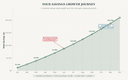
Average Salary Expectations in Finance
Finance salaries vary depending on experience, employer, specialization, certifications, and performance.
Typical career progression often looks like this:
- Entry-level professionals earn competitive starting salaries with annual bonuses.
- Mid-level specialists experience substantial income growth as they gain expertise.
- Senior executives, investment professionals, and successful portfolio managers may earn several times their base salary through bonuses, profit sharing, and equity compensation.
Performance-based compensation is one reason finance remains one of the highest-paying industries.
Top Finance Jobs That Make the Most Money
Investment Banker
Investment banking consistently ranks among the highest-paying careers in finance.
Investment bankers help businesses raise capital, manage mergers and acquisitions, restructure debt, and advise executives on major financial decisions.
Typical responsibilities include:
- Financial modeling
- Business valuation
- Mergers and acquisitions
- IPO advisory
- Capital raising
- Market analysis
- Client presentations
Salary Potential
Investment bankers often receive:
- High base salary
- Annual performance bonus
- Signing bonus
- Stock compensation
- Promotion incentives
Experienced professionals at senior levels may earn several times their annual base salary through bonuses.
Skills Needed
- Financial modeling
- Excel expertise
- Accounting
- Valuation techniques
- Presentation skills
- Negotiation
- Time management
Hedge Fund Manager
Hedge fund managers oversee investment portfolios designed to generate returns regardless of market conditions.
Their strategies may involve:
- Equity investing
- Options
- Futures
- Arbitrage
- Quantitative trading
- Macro investing
- Alternative assets
Because compensation is tied to investment performance, successful managers can earn enormous incomes.
Why They Earn So Much
Their compensation often includes:
- Management fees
- Performance fees
- Profit sharing
- Equity ownership
Outstanding performance can dramatically increase annual earnings.
Private Equity Professional
Private equity firms purchase businesses, improve operations, and eventually sell them for profit.
Professionals analyze companies, negotiate acquisitions, manage investments, and oversee business improvements.
Daily responsibilities include:
- Financial due diligence
- Company valuation
- Industry research
- Debt financing
- Strategic planning
- Exit strategy development
Private equity compensation generally includes:
- Salary
- Annual bonus
- Carried interest
- Equity participation
Carried interest is one of the biggest reasons experienced private equity professionals can accumulate significant wealth.
Chief Financial Officer (CFO)
The Chief Financial Officer oversees an organization's financial strategy and long-term growth.
Responsibilities include:
- Budget planning
- Financial forecasting
- Risk management
- Investor relations
- Financial reporting
- Capital allocation
- Strategic planning
Large organizations depend heavily on CFOs for financial decision-making, making this one of the highest-paid executive positions.
Essential Skills
- Leadership
- Corporate finance
- Accounting
- Strategic thinking
- Communication
- Regulatory knowledge
Portfolio Manager
Portfolio managers make investment decisions on behalf of clients or institutions.
Their work involves:
- Asset allocation
- Security selection
- Risk management
- Performance analysis
- Client communication
- Market research
Successful portfolio managers often receive bonuses linked directly to investment performance.
Quantitative Analyst (Quant)
Quantitative analysts use mathematics, statistics, programming, and financial theory to build investment models.
Common responsibilities include:
- Developing trading algorithms
- Risk modeling
- Data analysis
- Machine learning
- Portfolio optimization
- Pricing complex financial instruments
Required Technical Skills
- Python
- SQL
- Statistics
- Probability
- Machine learning
- Financial mathematics
- Data visualization
Quants working for major investment firms often receive highly competitive compensation packages.
Asset Manager
Asset managers oversee investment portfolios for individuals, institutions, retirement funds, and corporations.
Responsibilities include:
- Investment research
- Portfolio construction
- Risk monitoring
- Client meetings
- Market forecasting
- Investment recommendations
Compensation often includes performance-based incentives alongside a competitive salary.
Corporate Finance Director
Corporate finance directors oversee financial planning inside large organizations.
Key responsibilities include:
- Capital budgeting
- Cash flow planning
- Financial forecasting
- Cost management
- Business analysis
- Strategic investments
This role combines financial expertise with executive leadership.
Venture Capital Professional
Venture capital professionals invest in high-growth businesses during their early stages.
They evaluate:
- Business models
- Founding teams
- Market opportunities
- Financial projections
- Competitive advantages
If investments succeed, compensation can become exceptionally rewarding through carried interest and equity gains.
Financial Consultant
Experienced financial consultants help businesses and high-net-worth clients improve financial performance.
Services often include:
- Wealth planning
- Investment advice
- Tax planning
- Retirement planning
- Estate planning
- Business strategy
Top consultants frequently build long-term client relationships, leading to recurring revenue and significant income potential.
Risk Manager
Risk managers identify, measure, and reduce financial risks.
They focus on:
- Credit risk
- Market risk
- Operational risk
- Liquidity risk
- Compliance
- Regulatory reporting
As financial regulations continue evolving, experienced risk professionals remain in strong demand.
Actuary
Actuaries combine mathematics, probability, and finance to evaluate financial risks.
They typically work in:
- Insurance
- Pension planning
- Healthcare finance
- Investment analysis
Although becoming an actuary requires passing multiple professional exams, the long-term salary potential is excellent.
Financial Software Engineer
Technology and finance increasingly overlap.
Financial software engineers develop systems used for:
- Trading
- Banking
- Investment analysis
- Payment processing
- Fraud detection
- Portfolio management
Professionals who combine software engineering with finance knowledge command premium salaries.
Commercial Banking Executive
Senior commercial banking executives manage lending relationships with businesses.
Responsibilities include:
- Credit analysis
- Loan structuring
- Business development
- Relationship management
- Risk assessment
Leadership positions often include attractive bonus structures.
Which Finance Career Has the Highest Income Potential?
Although compensation varies significantly, careers with the highest earning potential generally include:
- Hedge Fund Manager
- Private Equity Partner
- Investment Banker
- Chief Financial Officer
- Venture Capital Partner
- Portfolio Manager
- Quantitative Analyst
- Asset Management Executive
- Corporate Finance Executive
- Financial Consultant
Performance-based compensation makes these careers particularly attractive for ambitious professionals.
Skills That Increase Your Earning Potential
Regardless of specialization, employers consistently value professionals who possess:
Financial Analysis
Understanding financial statements, valuation, forecasting, and business performance.
Communication Skills
Finance professionals frequently explain complex information to executives, investors, and clients.
Excel and Financial Modeling
Advanced spreadsheet skills remain essential across nearly every finance career.
Programming
Python, SQL, and data analytics tools are becoming increasingly valuable.
Problem Solving
The ability to evaluate uncertainty and recommend practical solutions is highly rewarded.
Leadership
As professionals advance, managing teams becomes just as important as technical expertise.
Certifications That Can Boost Your Salary
Professional certifications often improve credibility and career opportunities.
Popular credentials include:
- CFA (Chartered Financial Analyst)
- CPA (Certified Public Accountant)
- FRM (Financial Risk Manager)
- CFP (Certified Financial Planner)
- CAIA (Chartered Alternative Investment Analyst)
While certifications alone won't guarantee a high salary
they often strengthen your qualifications for senior roles.
Education Requirements
Most high-paying finance careers require at least a bachelor's degree in:
- Finance
- Economics
- Accounting
- Business Administration
- Mathematics
- Statistics
- Computer Science
Is Finance a Good Career for Making Money?
Yes—but success depends on more than choosing the right job title.
Some of the highest earners spend years developing specialized expertise before reaching executive or investment leadership positions. Continuous learning, networking, and delivering measurable business results often matter more than simply working long hours.
One lesson I've observed repeatedly is that professionals who focus on solving real business problems rather than chasing salary alone tend to build stronger careers. Their reputation grows, better opportunities follow, and compensation naturally increases over time.
How to Start a High-Paying Finance Career
If you're beginning your journey, consider this roadmap:
- Earn a strong foundation in finance, accounting, or economics.
- Master Excel and financial modeling.
- Learn Python and data analysis.
- Complete internships whenever possible.
- Build communication and presentation skills.
- Pursue respected professional certifications.
- Network with experienced finance professionals.
- Continue learning throughout your career.
Consistency over several years often produces much better results than trying to find shortcuts.
Common Mistakes to Avoid
Many aspiring finance professionals slow their career growth by making avoidable mistakes.
These include:
- Ignoring networking opportunities.
- Neglecting technical skills.
- Focusing only on salary instead of long-term development.
- Avoiding certifications.
- Poor communication skills.
- Failing to understand business strategy.
- Not staying current with financial technology.
Avoiding these mistakes can significantly improve your career trajectory.
Final Thoughts
Finance offers some of the highest-paying career opportunities available, but exceptional compensation comes with significant responsibility, continuous learning, and strong performance expectations. Whether your goal is investment banking, private equity, corporate leadership, quantitative finance, or wealth management, long-term success depends on building valuable skills, maintaining professional integrity, and consistently delivering results.
Rather than chasing the highest salary immediately, focus on becoming exceptionally skilled in your chosen specialization. Over time, expertise, reputation, and experience often become the biggest drivers of financial success. Choosing a career that aligns with your strengths and interests will not only increase your earning potential but also help you build a sustainable and rewarding future in finance.
Frequently Asked Questions
What finance job pays the most?
Hedge fund managers, private equity partners, investment bankers, and chief financial officers generally have the highest earning potential due to performance bonuses, equity, and leadership responsibilities.
Can finance professionals become millionaires?
Yes. Many professionals in investment management, private equity, executive leadership, and entrepreneurship build substantial wealth over time through salary, bonuses, investments, and equity ownership.
Do finance jobs require advanced math?
Not always. While quantitative finance relies heavily on mathematics, many corporate finance, consulting, banking, and wealth management roles require stronger analytical and communication skills than advanced mathematics.
Which finance career has the best work-life balance?
Corporate finance, financial planning, risk management, and commercial banking generally offer more predictable schedules than investment banking or private equity.
Are finance jobs future-proof?
Many finance careers remain in strong demand, especially those combining financial expertise with technology, data analytics, artificial intelligence, and strategic decision-making.