

What Is Annual Income for $25 an Hour?
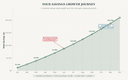
If you're wondering what is annual income for $25 an hour, the short answer is that a full-time employee working a standard schedule earns about $52,000 per year before taxes. This estimate assumes you work 40 hours per week for 52 weeks, totaling 2,080 hours annually.
However, your actual yearly earnings can vary depending on overtime, unpaid time off, bonuses, commissions, holidays, and the number of hours you work each week. Understanding how hourly pay converts into annual income can help you compare job offers, negotiate salaries, plan your budget, estimate taxes, and decide whether a position meets your financial goals.
Whether you're considering a new job, switching careers, or simply trying to understand your paycheck, this guide explains everything you need to know in a practical and easy-to-follow way.
How Much Is $25 an Hour Per Year?
The standard calculation is straightforward:
Hourly Rate × Hours Worked Per Week × Weeks Worked Per Year
For a traditional full-time schedule:
- Hourly wage: $25
- Hours per week: 40
- Weeks per year: 52
Calculation:
$25 × 40 × 52 = $52,000
So, if you consistently work full time throughout the year, your gross annual income is approximately $52,000.
Keep in mind that this figure represents your income before taxes and deductions. Your take-home pay will usually be lower because employers typically withhold taxes and other required deductions from each paycheck.
Annual, Monthly, Weekly, and Daily Income Breakdown
Understanding your earnings across different time periods makes budgeting much easier.
These numbers assume a consistent full-time work schedule with no unpaid leave.
Many employers pay workers every two weeks, meaning you would typically receive around $2,000 before deductions per paycheck.
How the Annual Income Formula Works
Many people search for salary conversions because they receive job offers listed as hourly wages rather than yearly salaries.
The conversion is based on total hours worked over an entire year.
Here's the simple formula:
Annual Income = Hourly Wage × Hours Per Week × Weeks Worked Per Year
For example:
- $25 × 35 × 52 = $45,500
- $25 × 37.5 × 52 = $48,750
- $25 × 40 × 52 = $52,000
- $25 × 45 × 52 = $58,500
As you can see, even a few extra hours each week can significantly increase your annual earnings.
What If You Don't Work Full Time?
Not everyone works a traditional 40-hour schedule.
Many professionals work part time, seasonal positions, flexible schedules, or freelance contracts. In these situations, annual income changes based on total hours worked.
Working 20 Hours Per Week
- Weekly income: $500
- Annual income: Approximately $26,000
Working 30 Hours Per Week
- Weekly income: $750
- Annual income: Approximately $39,000
Working 35 Hours Per Week
- Weekly income: $875
- Annual income: Approximately $45,500
Working 40 Hours Per Week
- Weekly income: $1,000
- Annual income: Approximately $52,000
Knowing these differences can help you compare flexible work arrangements with full-time employment.
Does Paid Time Off Affect Annual Income?
It depends on your employer.
If your employer offers paid vacation, paid holidays, or paid sick leave, your annual salary generally remains close to $52,000, even when you're not working on those paid days.
If you're paid strictly by the hour without paid leave, taking unpaid vacation or time off reduces your yearly earnings.
For example:
If you miss two unpaid weeks:
- Weeks worked: 50
- Annual income:
- $25 × 40 × 50 = $50,000
Even a small amount of unpaid leave can reduce yearly earnings by several thousand dollars.
What Happens If You Work Overtime?
Overtime can significantly increase annual income.
Many employers pay overtime at 1.5 times the regular hourly rate after a certain number of weekly hours.
If your overtime rate is:
$25 × 1.5 = $37.50 per hour
Working just five overtime hours each week would increase your weekly earnings considerably.
Example:
- Regular pay:
- 40 hours × $25 = $1,000
- Overtime:
- 5 hours × $37.50 = $187.50
Total weekly income:
$1,187.50
Estimated annual income:
$61,750
Regular overtime can add thousands of dollars to your yearly earnings.
Is $25 an Hour Considered a Good Income?
Whether $25 an hour is considered a good wage depends on several personal factors rather than a single number.
Some important considerations include:
- Your monthly living expenses
- Housing costs
- Family size
- Debt payments
- Healthcare expenses
- Transportation costs
- Savings goals
- Retirement contributions
- Lifestyle preferences
For someone living within a reasonable budget, earning approximately $52,000 annually can provide a stable financial foundation. On the other hand, someone with higher recurring expenses may find that careful budgeting is necessary to comfortably manage day-to-day costs.
Rather than focusing only on the hourly wage, it's often more helpful to evaluate how much of your income remains after covering essential expenses and meeting your long-term financial goals.
A Practical Example From Budget Planning
When I help friends compare job offers, one of the first things we do is convert the hourly wage into annual income before discussing the position. Seeing the yearly amount makes it much easier to compare opportunities that advertise pay in different ways.
For example, a job offering $25 per hour initially sounds different from one advertising an annual salary. But after calculating that it equals about $52,000 per year before taxes, the comparison becomes much clearer.
From there, we estimate monthly income, expected deductions, commuting costs, and potential overtime. This simple exercise often changes which job appears to be the better financial choice.
That's why understanding hourly-to-annual conversions is more than just basic math—it helps you make smarter career and financial decisions.
Factors That Can Increase or Decrease Your Annual Income
Although $52,000 is the standard estimate for someone earning $25 per hour, your actual yearly income may differ based on several factors:
Hours Worked Each Week
Working fewer hours lowers annual income, while additional shifts increase total earnings.
Overtime Opportunities
Jobs with consistent overtime can substantially raise yearly pay.
Bonuses and Incentives
Some employers provide performance bonuses, commissions, profit sharing, or annual incentives that increase total compensation beyond hourly wages.
Unpaid Leave
Taking unpaid vacation or extended leave reduces total yearly earnings.
Schedule Consistency
Employees with stable schedules generally have more predictable annual income than workers with fluctuating weekly hours.
Multiple Jobs
Some individuals supplement their primary income with freelance work, seasonal employment, or a second part-time job, increasing their overall annual earnings.
By understanding these variables, you can make more accurate income projections and build a realistic financial plan.
Gross Income vs. Net Income: Why Your Take-Home Pay Is Different
One of the biggest misconceptions people have is assuming that earning $25 an hour means they will receive the full $52,000 in their bank account each year. In reality, the amount deposited into your account—often called net income or take-home pay—is usually lower than your gross income.
Gross income is the total amount you earn before any deductions. Net income is what remains after taxes and other payroll deductions are withheld.
Common deductions may include:
- Income taxes
- Payroll taxes
- Retirement contributions
- Health insurance premiums
- Dental and vision insurance
- Flexible spending or health savings accounts
- Other employer-sponsored benefits
Because every person's tax situation and benefit elections are different, there isn't a single take-home pay amount that applies to everyone. Two employees earning the same hourly wage can receive different paychecks depending on their individual circumstances.
For this reason, it's important to focus on both your gross salary and your expected net income when planning your finances.
Estimated Monthly Budget on a $25 Per Hour Income
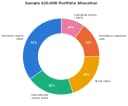
A yearly income of approximately $52,000 before taxes can support a comfortable lifestyle when managed wisely. Creating a realistic monthly budget helps ensure that your income is being used efficiently.
A balanced budget often includes categories such as:
These percentages are only general guidelines. Your actual spending priorities may differ depending on your financial goals and lifestyle.
The key is to ensure your essential expenses leave enough room for saving and preparing for unexpected costs.
How Many Hours Do You Need to Work to Earn $52,000?
The calculation works in reverse as well.
If your goal is to earn approximately $52,000 annually while making $25 per hour, you'll need to work about 2,080 hours per year.
Here's how that breaks down:
- Per year: 2,080 hours
- Per month: About 173 hours
- Per week: 40 hours
- Per day (5-day workweek): 8 hours
This standard schedule is commonly used by employers when converting hourly wages into annual salaries.
What If You Work Less Than 52 Weeks?
Many people take unpaid vacations, change jobs during the year, or work seasonal positions.
Here's how fewer working weeks affect annual income:
Weeks WorkedAnnual Income52 Weeks$52,00050 Weeks$50,00048 Weeks$48,00045 Weeks$45,000Missing even a few weeks of work without pay can noticeably reduce your yearly income.
This is especially important for freelancers, contract workers, and employees without paid vacation benefits.
How Shift Differentials Can Increase Your Earnings
Some employers pay additional compensation for working evenings, nights, weekends, or holidays.
For example, if an employer offers an additional $2 per hour for overnight shifts:
- Base pay: $25/hour
- Shift differential: $2/hour
- Effective hourly wage: $27/hour
Working full time at $27 per hour would increase annual earnings to approximately $56,160 before taxes.
While not every employer offers shift differentials, they can make a meaningful difference over an entire year.
Bonuses and Performance Incentives
Hourly employees may also receive additional compensation beyond their regular wages.
Examples include:
- Annual bonuses
- Performance bonuses
- Sales commissions
- Attendance incentives
- Profit-sharing programs
- Referral bonuses
Even relatively modest bonuses can increase your total annual compensation.
For example:
- Base annual income: $52,000
- Annual performance bonus: $3,000
Total compensation:
$55,000
When evaluating a job offer, it's helpful to consider the complete compensation package rather than focusing solely on the hourly wage.
Comparing $25 an Hour to Other Hourly Wages
Looking at nearby wage levels can help you understand how much difference a small hourly increase makes over an entire year.
Hourly WageAnnual Income$20$41,600$22$45,760$23$47,840$24$49,920$25$52,000$26$54,080$27$56,160$28$58,240$30$62,400A raise of just $1 per hour adds approximately $2,080 to your annual income if you work full time.
This illustrates why even modest wage increases can have a meaningful impact on your long-term earnings.
Can You Live Comfortably on $25 an Hour?
The answer depends on your personal financial situation rather than the hourly wage alone.
People earning the same salary often have very different lifestyles because of factors such as:
- Housing expenses
- Family responsibilities
- Student loans
- Credit card debt
- Transportation costs
- Medical expenses
- Savings goals
- Spending habits
Someone who follows a realistic budget and avoids unnecessary debt may find that $25 an hour provides a solid financial foundation. Others with higher fixed expenses may need to prioritize budgeting more carefully.
Instead of comparing yourself with others, it's more productive to focus on whether your income supports your own financial goals.
Ways to Increase Your Annual Income
If you're currently earning $25 an hour, there are several practical ways to increase your yearly earnings over time.
Work Overtime
Consistent overtime can add thousands of dollars to your annual income if it's available.
Improve Your Skills
Learning new technical or professional skills can qualify you for higher-paying positions or promotions.
Negotiate Your Wage
Many employees accept the first offer without negotiating. Preparing evidence of your experience and performance can sometimes lead to a higher hourly rate.
Earn Professional Certifications
Industry-recognized certifications may improve your earning potential and open doors to more advanced roles.
Seek Internal Promotions
Growing within your current organization can provide both higher pay and greater long-term career stability.
Consider Additional Income Streams
Freelancing, consulting, tutoring, or other side projects can supplement your primary income without requiring a full career change.
Always Calculate the Full Compensation Package
One lesson I've learned from comparing job opportunities is that the hourly wage tells only part of the story.
A position paying $25 per hour with excellent health benefits, retirement contributions, paid holidays, and career advancement opportunities may ultimately be more valuable than a slightly higher hourly wage with limited benefits.
Whenever reviewing a job offer, I recommend calculating:
- Annual gross income
- Estimated take-home pay
- Employer benefits
- Retirement contributions
- Paid time off
- Overtime opportunities
- Bonus potential
which finance apps help manage irregular income?
Financial Planning Tips When You Earn $25 an Hour
Knowing that $25 an hour equals approximately $52,000 per year before taxes is only the beginning. The next step is making sure your income supports both your current lifestyle and your future financial goals.
A simple financial plan can make a significant difference over time.
Build an Emergency Fund
Unexpected expenses can happen at any time, whether it's a medical bill, car repair, or temporary job loss. Setting aside a portion of every paycheck helps create a financial safety net.
Many financial professionals recommend saving several months' worth of essential living expenses, but even starting with a small monthly contribution is a positive step.
Save for Retirement Early
Retirement may seem far away, but starting early allows your savings more time to grow. Contributing consistently—even in small amounts—can have a meaningful long-term impact.
If your employer offers retirement benefits or matching contributions, taking advantage of them can increase the value of your overall compensation package.
Pay Down High-Interest Debt
High-interest debt can reduce the purchasing power of your income. Paying more than the minimum payment whenever possible can help lower interest costs and improve your financial flexibility.
Many people find it helpful to focus on paying off one balance at a time while continuing to make minimum payments on the rest.
Track Your Spending
It's easy to underestimate how much money is spent on small daily purchases.
Using a budgeting app or a simple spreadsheet can help identify spending patterns and reveal opportunities to save more each month.
Increase Your Income Over Time
While earning $25 an hour provides a solid income for many workers, your career shouldn't stop there.
Continue learning new skills, gaining experience, and pursuing opportunities that can increase your earning potential over time.
Common Mistakes People Make When Calculating Annual Income
Converting an hourly wage into yearly earnings is straightforward, but several common mistakes can lead to inaccurate estimates.
Assuming Every Year Includes Exactly 2,080 Paid Hours
The standard calculation assumes:
- 40 hours per week
- 52 working weeks
- No unpaid leave
If you work fewer hours or take unpaid time off, your annual income will be lower.
Forgetting About Taxes
Many people mistakenly assume that annual income equals the amount they'll receive in their bank account.
Always remember that gross income and take-home pay are different because taxes and payroll deductions reduce the final amount deposited into your account.
Ignoring Overtime Opportunities
If your employer regularly offers overtime, your actual yearly earnings may be significantly higher than the standard estimate.
Overlooking Benefits
Hourly pay is only one part of your total compensation.
Benefits such as paid vacation, health insurance, retirement contributions, tuition assistance, bonuses, and professional development opportunities can add substantial value beyond your hourly wage.
Quick Salary Conversion Reference
If you're comparing different job offers, this quick reference may help.
Hourly PayWeeklyMonthlyAnnual$25$1,000About $4,333About $52,000This assumes:
- 40 hours per week
- 52 weeks per year
- Gross income before taxes
Final Thoughts
So, what is annual income for $25 an hour?
For a standard full-time schedule, the answer is approximately $52,000 per year before taxes, based on working 40 hours per week for 52 weeks.
While the calculation itself is simple, understanding what that number actually means is much more important. Your take-home pay, financial stability, and overall quality of life depend on factors such as taxes, overtime, employee benefits, paid time off, bonuses, and your personal spending habits.
From my experience helping people compare job offers and plan monthly budgets, converting an hourly wage into annual income is one of the easiest ways to understand the true value of a position. It provides a clearer picture of your earning potential and makes it easier to set realistic financial goals.
Whether you're evaluating a new opportunity, negotiating your salary, planning your budget, or simply satisfying your curiosity, knowing how to calculate annual income empowers you to make informed financial decisions with confidence.
Ultimately, $25 an hour represents more than just an hourly rate—it serves as a foundation for budgeting, saving, investing, and building long-term financial security.
FAQs
What is the annual income for $25 an hour?
If you work 40 hours per week for 52 weeks, earning $25 per hour equals approximately $52,000 per year before taxes.
What is the daily pay for $25 an hour?
Assuming an 8-hour workday, you would earn approximately $200 per day before taxes.
Does overtime increase annual income?
Yes. Overtime pay can significantly increase yearly earnings. Employees who regularly work overtime often earn well above the standard $52,000 annual estimate.
Is the $52,000 annual income before or after taxes?
The $52,000 figure is gross annual income, meaning it is calculated before taxes, insurance premiums, retirement contributions, and other payroll deductions.
How many hours do I need to work each year to earn $52,000 at $25 an hour?
You would need to work approximately 2,080 hours per year, which is based on 40 hours per week for 52 weeks.
Can part-time employees earn $52,000 at $25 an hour?
Generally, no. A part-time employee would need to work enough total hours during the year to reach 2,080 hours. Most part-time schedules result in a lower annual income unless additional hours are worked.