

How Many Jobs Are Available in Finance?
Finance remains one of the largest and most stable employment sectors in developed economies. From banking and investment management to financial technology and corporate finance, millions of professionals work in finance-related positions across major global financial markets.
One of the most common questions job seekers ask is: How many jobs are available in finance?
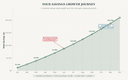
The short answer is that there are millions of finance jobs available worldwide, with hundreds of thousands of openings created every year due to economic growth, digital transformation, retirements, and changing business needs.
The finance industry offers opportunities for graduates, experienced professionals, career changers, and remote workers. Whether someone wants to become an investment analyst, accountant, financial advisor, risk manager, or fintech specialist, the industry provides numerous career paths.
This guide explains the size of the finance job market, the most in-demand careers, salary potential, required skills, future trends, and practical advice for entering the industry.
Understanding the Size of the Finance Industry
Finance is much more than banks and investment firms. The industry supports businesses, governments, organizations, and individuals by managing money, investments, risks, and financial decisions.
Major areas of finance include:
- Commercial banking
- Investment banking
- Corporate finance
- Asset management
- Insurance
- Accounting
- Financial planning
- Risk management
- Financial technology
- Wealth management
- Compliance and regulation
Large financial markets employ millions of workers, and demand continues to grow due to technological advancements and increasing financial complexity.
How Many Jobs Are Available in Finance?
The number of available jobs in finance changes constantly based on economic conditions, market demand, and technological developments.
At any given time, hundreds of thousands of finance positions are open across major financial markets. These opportunities range from entry-level positions to senior executive roles.
Common factors creating job openings include:
- Business expansion
- Retirement of older professionals
- Digital transformation
- Growth of financial technology
- Increased regulatory requirements
- Rising demand for investment services
- Economic recovery cycles
Finance remains one of the few industries that consistently creates professional-level positions even during uncertain economic periods.
Most In-Demand Finance Jobs
Financial Analyst
Financial analysts help companies and investors make informed decisions using financial data.
Responsibilities include:
- Evaluating investments
- Preparing reports
- Analyzing company performance
- Forecasting financial results
Demand for analysts remains extremely strong.
Accountant :
Accountants manage financial records, taxes, audits, and compliance.
They work in:
- Public accounting firms
- Corporations
- Government agencies
- Consulting companies
Accounting remains one of the safest finance careers.
Investment Analyst :
Investment analysts study markets, stocks, bonds, and investment opportunities.
Their responsibilities include:
- Researching investments
- Building portfolios
- Assessing risks
- Producing market reports
Financial Advisor
Financial advisors help individuals manage:
- Retirement planning
- Investments
- Insurance
- Wealth management
- Estate planning
As populations age, demand for advisors continues to increase.
Risk Manager :
Risk managers identify financial risks and develop strategies to minimize losses.
They work in:
- Banks
- Insurance companies
- Investment firms
- Large corporations
Compliance Officer
Financial regulations have become stricter in recent years.
Compliance professionals ensure organizations follow legal and regulatory requirements.
Demand for these professionals continues to grow.
Fintech Specialist
Financial technology has created entirely new careers.
Examples include:
- Digital payment specialists
- Blockchain analysts
- Financial software developers
- Data analysts
- AI finance professionals
Finance Jobs That Require a Degree
Many finance positions prefer candidates with degrees in:
- Finance
- Accounting
- Economics
- Business administration
- Mathematics
- Statistics
However, not every job requires an advanced degree.
Entry-level roles often accept candidates with strong skills and certifications.
Certifications That Increase Job Opportunities
Professional certifications can significantly improve career prospects.
Popular certifications include:
CFA
The Chartered Financial Analyst credential is highly respected in investment management.
CPA
Certified Public Accountant remains one of the most valuable accounting certifications.
FRM
Financial Risk Manager certification is valuable for risk professionals.
CFP
Certified Financial Planner helps advisors advance their careers.
Skills Employers Want in Finance
Technical skills:
- Financial modeling
- Excel
- Data analysis
- Accounting software
- Financial reporting
- Forecasting
Soft skills:
- Communication
- Problem-solving
- Leadership
- Attention to detail
- Critical thinking
finance knowledge with technology skills.
About Finance Careers
Over the years, one lesson becomes very clear: finance rewards consistency.
Many professionals start with entry-level roles involving spreadsheets, reporting, or customer support. Over time, certifications, practical experience, and networking open doors to higher-paying positions.
A common mistake among new graduates is focusing only on salary. Successful professionals often prioritize learning opportunities during the early years.
Building strong analytical skills frequently leads to faster career growth.
Remote Jobs in Finance
Remote work has expanded significantly.
Popular remote finance jobs include:
- Financial analyst
- Bookkeeper
- Accountant
- Financial writer
- Data analyst
- Tax consultant
- Investment researcher
Many companies now offer hybrid and fully remote positions.
Finance Industry Salary Potential
Finance offers competitive salaries compared to many industries.
Factors affecting income include:
- Experience
- Education
- Certifications
- Location
- Specialization
- Employer size
High-paying specialties include:
- Investment banking
- Private equity
- Portfolio management
- Quantitative analysis
- Risk management
- Fintech
Senior professionals often earn significantly higher compensation.
Industries That Hire Finance Professionals
Finance professionals work in many sectors:
- Banking
- Technology
- Healthcare
- Manufacturing
- Retail
- Insurance
- Government
- Consulting
- Real estate
This flexibility provides strong career security.
Challenges in the Finance Industry
Finance careers can also present challenges:
- Competitive hiring
- Long working hours in some sectors
- Continuous learning requirements
- Market volatility
- Performance pressure
Understanding these realities helps candidates prepare effectively.
How to Get Started in Finance
Step 1: Earn Relevant Education
Study finance, accounting, economics, or business.
Step 2: Develop Technical Skills
Learn Excel, financial analysis, and data tools.
Step 3: Gain Experience
Internships and entry-level jobs provide valuable experience.
Step 4: Build Professional Networks
Networking often leads to opportunities.
Step 5: Earn Certifications
Professional certifications increase credibility.
Is Finance a Good Career?
Finance remains one of the best career choices for individuals who enjoy:
- Numbers
- Problem-solving
- Business
- Analysis
- Strategic thinking
The industry offers:
- High earning potential
- Career growth
- Global opportunities
- Diverse specializations
- Strong job demand
Conclusion
So, how many jobs are available in finance?
The answer is simple: there are millions of finance jobs available across developed financial markets, with hundreds of thousands of openings appearing every year. The industry continues to grow due to technology, investment demand, regulation, and business expansion.
Whether you are a recent graduate, career changer, or experienced professional, finance offers numerous opportunities across banking, investment management, accounting, financial planning, and fintech.
Success in finance depends on continuous learning, practical experience, professional skills, and adaptability. Those who invest in their knowledge and stay updated with industry changes can build rewarding and long-lasting careers in the financial sector.