

The Complete Guide to Financing a Sports Car: Everything You Need to Know Before Signing on the Dotted Line
Financing a sports car requires more than just a good credit score and a down payment. You need to understand depreciation curves, lender restrictions, insurance implications, and the hidden costs that turn a dream purchase into a financial burden. Whether you are buying a Porsche 911, a Chevrolet Corvette, or an Audi R8, the financing process differs significantly from financing a standard sedan or SUV. This guide walks you through every critical decision point, backed by real market data and insider strategies that dealerships do not always volunteer upfront.
What Are the Best Ways to Finance a Sports Car?
The most common ways to finance a sports car include traditional auto loans, manufacturer financing programs, lease-to-own arrangements, and personal loans. Each option carries distinct advantages depending on your credit profile, intended ownership duration, and whether you want flexibility at the end of the term.
Traditional auto loans remain the most popular route. Banks, credit unions, and online lenders offer secured loans where the vehicle itself serves as collateral. Interest rates for sports cars typically range between 4.5% and 8.9% for buyers with credit scores above 720, while subprime borrowers may face rates exceeding 12%. Manufacturer financing programs, such as those offered by Porsche Financial Services or BMW Financial, occasionally provide promotional rates as low as 2.9% APR for qualified buyers on certified pre-owned models.
Personal loans represent an unsecured alternative. Because the lender cannot repossess the vehicle if you default, interest rates are higher—often between 7% and 15%. However, personal loans appeal to buyers purchasing classic or collectible sports cars that traditional lenders hesitate to finance due to age or mileage restrictions.
my experience: When I financed my first sports car, I assumed the dealership's offer was competitive. After securing a pre-approval from a local credit union at 5.2% APR, the dealership matched it with their captive lender and threw in a complimentary maintenance package. Always arrive with an outside offer. It gives you leverage that saves thousands over the loan term.
How Much Should You Put Down on a Sports Car?
A down payment of 20% to 30% is the sweet spot for sports car financing. This range protects you from negative equity, reduces monthly payments, and signals to lenders that you are a low-risk borrower. On a $75,000 sports car, that translates to $15,000–$22,500 upfront.
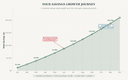
Sports cars depreciate faster than mainstream vehicles during the first three years. According to industry data, high-performance vehicles lose an average of 25% to 35% of their value within the first 12 months. A minimal down payment of 5% or 10% often leaves you owing more than the car is worth within six months. If you need to sell or if the vehicle is totaled in an accident, you could face a significant gap between your loan balance and the insurance payout.
Some lenders specializing in exotic vehicles require 25% down regardless of credit score. This is especially true for cars priced above $100,000 or for models from brands like Lamborghini, McLaren, and Ferrari. These lenders view the market as volatile and use larger down payments to buffer against rapid depreciation.
What Credit Score Do You Need to Finance a Sports Car?
A credit score of 720 or above unlocks the best financing terms for sports cars. Scores between 680 and 719 still qualify for competitive rates but may face slightly higher APRs. Below 680, expect rate premiums of 2% to 5% above prime, and some exotic car lenders may decline the application entirely.
However, credit score is not the only factor. Lenders also examine your debt-to-income ratio (DTI). Most prefer a DTI below 36%, though some captive lenders stretch to 43% for high-income applicants. Your employment history matters too. Lenders favor borrowers with at least two years in the same industry or with the same employer, as sports car loans represent discretionary purchases rather than necessities.
I once worked with a client who had a 780 credit score but was self-employed with variable income. Two lenders declined his application for a $90,000 sports car despite his excellent credit. A third lender approved him only after he provided two years of tax returns and six months of bank statements showing consistent deposits. Income stability often outweighs the score itself in the exotic and sports car segment.
Should You Lease or Buy a Sports Car?
Leasing makes sense if you want a new sports car every two to three years without worrying about long-term depreciation. Buying is superior if you intend to keep the vehicle beyond five years or if you plan to modify it, as most leases prohibit aftermarket modifications.
Sports car leases typically carry higher money factors (lease-speak for interest rates) than standard vehicle leases. The residual value—the predicted worth at lease end—also fluctuates wildly based on model and brand. A Porsche 911 traditionally holds 55% to 60% of its value after three years, making it a relatively attractive lease. In contrast, some high-performance models from lesser-known brands can retain as little as 40%, driving up lease payments.
When you buy, you build equity. After four or five years, you own an asset outright, even if depreciated. You can sell it, trade it, or keep it indefinitely. For enthusiasts who form emotional bonds with their vehicles, ownership provides freedom that leasing cannot match.
If you drive fewer than 10,000 miles per year and enjoy having the latest model, lease. If you drive 15,000+ miles annually or plan to track your car, purchase it. Excess mileage fees on leases can reach $0.50 per mile, and track use accelerates wear that triggers lease-end penalties.
What Hidden Costs Should You Budget For?
The monthly payment is only the beginning. Sports car ownership introduces costs that surprise first-time buyers: insurance premiums, maintenance schedules, tire replacements, and specialized repairs.
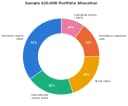
Insurance for a sports car averages $2,500 to $4,500 annually for drivers over 30 with clean records. Younger drivers or those in high-density urban areas can see premiums exceed $6,000 per year. Some insurers refuse to cover certain models altogether, forcing you into specialty carriers that charge premiums 40% above standard rates.
Maintenance costs escalate quickly. A standard oil change on a mid-engine sports car might cost $300 to $500 because of labor-intensive access panels. High-performance tires last 15,000 to 20,000 miles and cost $400 to $600 each. Carbon-ceramic brake rotors, common on modern sports cars, can cost $5,000 to $15,000 to replace—a shock if you are unprepared.
Table
Real-world lesson: A colleague purchased a used sports car with a manageable $850 monthly payment. Within the first year, he spent $3,200 on tires, $1,800 on a clutch service, and faced an insurance renewal 60% higher than his previous sedan. His true monthly cost approached $1,400. Always calculate total cost of ownership, not just the loan payment.
How Do You Choose the Right Lender for a Sports Car?
Not all lenders finance sports cars. Large national banks often cap vehicle age at 10 years or mileage at 100,000 miles. Credit unions frequently offer the lowest rates but may lack experience with exotic valuations. Specialty lenders understand the sports car market but charge higher rates to offset their niche risk.
Start with your existing bank or credit union. If you have a relationship, you may receive preferential rates. Then, shop manufacturer captive lenders if you are buying certified pre-owned or new. Finally, compare at least two online lenders that specialize in collector or performance vehicles. Apply within a 14-day window so all credit inquiries count as a single pull on your credit report.
Read the fine print carefully. Some lenders impose restrictions on track use, commercial use, or out-of-country driving. Others require you to carry gap insurance or maintain the vehicle at authorized service centers. Violating these terms can trigger loan acceleration, meaning the entire balance becomes due immediately.
Is It Better to Finance a New or Used Sports Car?
New sports cars offer manufacturer warranties, the latest technology, and lower financing rates. Used sports cars provide slower depreciation, lower insurance costs, and access to higher trim levels or more powerful variants at a reduced price.
A three-year-old sports car typically costs 40% to 50% less than its original MSRP while retaining 80% of its performance capability. For many enthusiasts, this represents the value sweet spot. However, used sports cars may carry expired warranties, unknown driving histories, and hidden wear from aggressive previous owners.
If you choose used, insist on a pre-purchase inspection by a mechanic who specializes in that brand. Budget $300 to $500 for this inspection. It seems expensive until it reveals $8,000 in needed deferred maintenance that you can negotiate off the purchase price or walk away from.
What Documents Do You Need to Apply for Sports Car Financing?
Lenders require standard documentation: government-issued identification, proof of income (pay stubs, tax returns, or bank statements), proof of residence, and proof of insurance. For loans exceeding $100,000 or for self-employed applicants, expect to provide additional paperwork.
Many exotic car lenders request a personal financial statement listing assets and liabilities. They may also ask for references or proof of existing automotive insurance history. If you are trading in a vehicle, bring the title, registration, and any loan payoff information.
Organize these documents before applying. A complete application processes faster and signals professionalism to the lender. Incomplete applications sit in queues, and in a competitive market, the car you want may sell while you scramble for paperwork.
How Can You Avoid Negative Equity on a Sports Car?
Negative equity—owing more than the car is worth—plagues sports car buyers who finance with minimal down payments, extend loan terms beyond 60 months, or purchase models with steep depreciation curves.
To avoid it, make a substantial down payment, choose a loan term of 48 to 60 months maximum, and research depreciation data before buying. Some brands hold value exceptionally well. Porsche, for example, consistently ranks among the top luxury brands for resale value. Others depreciate rapidly once the initial warranty expires.
If you already have negative equity, avoid rolling it into a new loan. This compounds the problem. Instead, pay down the principal aggressively or keep the vehicle until the loan balance aligns with market value.
Making the Smart Move
Financing a sports car is a significant financial commitment that extends far beyond the monthly payment. The buyers who thrive are those who prepare meticulously: they save for a substantial down payment, shop multiple lenders, understand the total cost of ownership, and choose vehicles that align with their long-term financial goals rather than impulse.
A sports car should enhance your life, not strain it. By following the strategies outlined in this guide—securing competitive financing, budgeting for hidden costs, and protecting yourself against depreciation—you position yourself to enjoy every mile with confidence rather than anxiety. The roar of the engine sounds sweeter when you know you made a sound financial decision to hear it.