

The Paycheck-to-Paycheck Survival Guide: How to Budget When Every Dollar Already Has a Job
Living paycheck to paycheck is exhausting. I know because I have been there—staring at my bank account three days before payday, mentally calculating whether I could afford both gas and groceries, feeling that tightness in my chest every time an unexpected bill arrived. It is not a character flaw. It is a financial reality that millions of hardworking people face, often through no fault of their own. But here is what I learned during my own journey from financial suffocation to stability: you can budget even when you have almost nothing to budget with. It requires a different mindset, different tools, and a lot more grace for yourself. This guide is the roadmap I wish someone had handed me when I was at my lowest financial point.
Why Traditional Budgeting Advice Fails the Paycheck-to-Paycheck Crowd
Most budgeting advice comes from a place of abundance. Financial gurus tell you to "pay yourself first" or "save 20% of your income" without acknowledging that for some people, 100% of their income is already spent on survival before it even hits their account. When I first tried to follow standard advice, I felt like a failure because I could not squeeze blood from a stone.
The truth is that budgeting on a tight margin is not about optimization. It is about survival architecture. You are not trying to grow wealth yet. You are trying to stop the bleeding, create breathing room, and build a foundation so small that an unexpected $50 expense does not send you into a panic spiral. Once I stopped comparing my situation to people who had disposable income, everything changed. I stopped following advice meant for people with $500 left over after bills and started building a system designed for people with $5 left over.
The Financial Autopsy: Facing Your Numbers Without Fear
The first step is the hardest because it requires brutal honesty. I remember sitting at my kitchen table with a stack of bills, my laptop open to my bank account, and a cup of coffee I probably could not afford. I wanted to cry. But I forced myself to write down every single expense from the last three months. Not what I thought I spent. What I actually spent.
Track Every Penny for 30 Days
You cannot fix what you cannot see. For one full month, track every single transaction. That $1.50 coffee from the vending machine at work? Write it down. The $4.99 subscription you forgot about? Include it. The $12 overdraft fee? That counts too. I used a simple notebook because budgeting apps felt overwhelming at the time, but a spreadsheet or even your bank's transaction history works fine. The goal is not judgment. The goal is data. When I did this, I discovered I was spending $87 a month on convenience store snacks because I was too exhausted to pack food. That was my first real win—identifying a leak I could actually plug.
Categorize Ruthlessly
Separate your spending into three categories: Fixed Survival Costs (rent, utilities, minimum debt payments, transportation to work), Variable Survival Costs (groceries, gas, basic toiletries), and Everything Else. Be honest about what "survival" means. Netflix is not survival. Your phone bill might be if you need it for work. This distinction matters because when money runs out, "Everything Else" is what gets cut first.
The Buffer Strategy: Your First Line of Defense
When you live paycheck to paycheck, the scariest thing is the gap. You get paid on Friday, but your rent is due Wednesday. Your car insurance auto-drafts on the 15th, but you do not get paid until the 20th. That gap creates overdrafts, late fees, and payday loans that trap you in a cycle of poverty.
Build a One-Paycheck Buffer
Your first savings goal should not be a three-month emergency fund. That feels impossible and discouraging. Instead, aim for one paycheck buffer. This means getting enough money ahead so that you are paying this month's bills with last month's paycheck. When I started, I opened a separate checking account at a different bank—one with no fees and no overdraft "protection" that would actually protect me from myself. Every time I found an extra $10, $20, or $50, I transferred it there. It took me four months to save one paycheck. But the day I realized I could pay my electric bill without timing it perfectly with my direct deposit was the day I felt my first real breath of financial air.
The Bill Calendar Technique
I created a simple calendar on my phone where I listed every bill's due date and the exact amount. Then I color-coded them based on which paycheck would cover them. Paycheck one covered rent and utilities. Paycheck two covered groceries and gas. This visual system prevented the mental math that used to drain my energy daily. If a bill fell on a bad date, I called the company and asked to move the due date. Most companies will do this if you ask. I moved my internet bill from the 5th to the 20th, and it eliminated a monthly overdraft crisis.
The Zero-Based Paycheck Budget: Giving Every Dollar a Name
When money is tight, vagueness is your enemy. The zero-based budget means your income minus your expenses equals exactly zero—not because you spent everything frivolously, but because every dollar was assigned a specific job before the month began.
Budget by Paycheck, Not by Month
Most people budget monthly, but when you live paycheck to paycheck, a month is too long. Things change too fast. Instead, I started budgeting by individual paycheck. When my first paycheck hit, I immediately allocated it: rent got $600, electricity got $80, groceries got $100, gas got $60, and my buffer account got $20. Everything was named and claimed. If there was $3 left over, I assigned it to "miscellaneous" so it did not disappear into impulse spending.
The Envelope Method for Variable Costs
For groceries and gas—my two biggest variable expenses—I used a digital version of the envelope system. I transferred my grocery money to a separate debit card. When that card was empty, I was done grocery shopping for that pay period. It felt restrictive at first, but it also felt safe. I knew exactly how much I could spend without jeopardizing my rent. One trick that saved me: I started grocery shopping on Sunday nights because the markdowns on meat and bakery items were significant. I would buy discounted bread, freeze it, and stretch my grocery envelope by nearly 30%.
Expense Cutting When There Is Nothing Left to Cut
This is where most advice becomes insulting. People tell you to "just stop buying lattes" when you have never bought a latte in your life. I get it. But here is what I learned: there is almost always something, even if it is small.
Audit Your Fixed Costs Mercilessly
I called my car insurance company and asked for a rate review. I had been with them for three years and never asked. They found a discount that saved me $23 a month. I called my phone company and switched to a prepaid plan that cut my bill from $65 to $35. I negotiated my internet bill down by $15 by threatening to switch providers. None of these took more than 20 minutes, and together they freed up $68 a month. When you are paycheck to paycheck, $68 is a tank of gas or a week of groceries.
Eliminate the "Convenience Tax"
Poor people often pay more for things because they lack time, energy, or upfront cash. I was paying $3.50 every time I used an out-of-network ATM because my bank had no branches near my job. I switched to a bank that refunded ATM fees. I was buying single-serve laundry detergent at the laundromat because I could not afford the big bottle at the store. I started bringing my own bulk detergent in a mason jar. These micro-optimizations added up to roughly $40 a month.
The Subscription Purge
I went through my bank statements and canceled everything that was not keeping me alive or employed. Goodbye, Spotify. Goodbye, cloud storage I was not using. Goodbye, app subscriptions I had forgotten about. I found $34 in forgotten subscriptions. That money went straight to my buffer account.
The Income Side: Earning Your Way Out
Budgeting alone will only get you so far if your expenses genuinely exceed your income. At one point, I was working 40 hours a week and still could not cover my basics. I had to face a hard truth: I needed more money, and I needed it fast.
Immediate Cash Strategies
I sold everything I did not need. My old textbooks, clothes that no longer fit, furniture I was not using. I made $340 in one weekend using local marketplace apps. That money went directly to my buffer fund. I also picked up a side gig delivering food on Friday nights. It was exhausting, but an extra $80 a week meant I could stop choosing between toilet paper and dish soap.
Negotiate Your Current Income
Before I looked for a second job, I asked for a raise at my first one. I researched market rates for my position, documented my contributions, and asked my boss for a 10% increase. I got 6%. That was an extra $180 a month. If you have been at your job for more than a year and have performed well, ask. The worst they can say is no, and you are no worse off than before.
Feeding Yourself on a Shoestring
Food is often the only flexible expense in a tight budget, which means it is where the pressure lands hardest. During my worst months, I lived on rice, beans, eggs, and whatever vegetables were on the clearance rack.
The $35 Weekly Grocery Framework
I developed a system that kept me fed without destroying my budget. Every week, I bought: a 5-pound bag of rice, a bag of dried beans, a dozen eggs, a bag of frozen mixed vegetables, a whole chicken (which I roasted and stretched across four meals), store-brand oatmeal, peanut butter, bread, and bananas. It was not exciting, but it was nourishing and predictable. I learned to cook in bulk on Sundays so I was not tempted to buy food when I was tired after work.
The No Spend Days
I challenged myself to have three "no spend" days per week. On those days, I spent absolutely nothing. No gas, no food, no online browsing. It became a game. I packed my lunch, walked instead of drove when possible, and used what I already had. Those days created a psychological barrier between me and impulse spending.
Debt Management When You Are Drowning
If you have debt while living paycheck to paycheck, it feels like a weight tied to your ankles. I had a credit card with a $1,200 balance and a 24% interest rate. The minimum payment was $45, but I was only paying that because I thought I had to.
The Minimum Payment Survival Mode
When you are in survival mode, paying more than the minimum on debt is a luxury you may not have. That is okay. Do not let anyone shame you for making minimum payments while you are trying to keep a roof over your head. The priority hierarchy is: rent, utilities, food, transportation to work, minimum debt payments. Everything else waits.
Communicate with Creditors
I called my credit card company and explained my situation. I asked for a lower interest rate, and they gave me a temporary hardship rate of 12% for six months. I also asked if they could waive my late fee from the previous month, and they did. Creditors want to get paid, and they would rather work with you than have you default. Be honest, be polite, and ask for specific help.
Shame Is Not a Budget Line Item
You must separate your worth from your bank balance. You are not lazy. You are not bad with money. You are surviving under constraints that many people never have to face. I started telling myself: "I am doing the best I can with what I have, and that is enough." That shift in self-talk did not add money to my account, but it gave me the mental clarity to make better decisions instead of panic-driven ones.
Find Your Why
Budgeting on a tight margin requires enormous discipline, and discipline without purpose crumbles. My "why" was simple: I wanted to sleep through the night without worrying about money. I wrote that on a sticky note and put it on my debit card. Every time I wanted to spend impulsively, I saw that note. It stopped me more times than I can count.
Automating the Impossible
Automation feels like a luxury for people with extra money. But I learned that automating even tiny amounts was more effective than willpower.
The Pay Yourself Last Trick
Since I could not pay myself first, I started paying myself last. I set up an automatic transfer of $10 from my checking to my savings account on the day after payday. I told myself I could transfer it back if I needed it. Most months, I did not need it. That $10 became $20, then $50. The automation removed the decision fatigue. I did not have to choose to save. It just happened.
Auto-Pay Everything You Can
Late fees are a tax on the disorganized, and when you are paycheck to paycheck, you cannot afford that tax. I set up auto-pay for every fixed bill I could. For the ones I could not, I set phone reminders three days before the due date. Eliminating late fees saved me roughly $60 a month in overdraft and penalty charges.
Building the Escape Ladder: From Survival to Stability
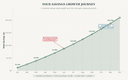
This is the part where I tell you that it gets better, but only if you are patient and relentless. I lived paycheck to paycheck for three years. The first year was about stopping the bleeding. The second year was about building my one-paycheck buffer. The third year was about finally having $1,000 in an emergency fund.
The $1,000 Emergency Fund
Once I had my buffer, I aimed for $1,000 in a savings account I could not easily access. This was not for investing. This was for emergencies only. When my car battery died, I used that fund instead of putting it on a credit card. When I got a flat tire, I paid cash. That fund broke the cycle of financial shocks pushing me backward.
Celebrate Micro-Wins
Every time I hit a milestone—$100 saved, one month without overdrafts, a bill paid early—I celebrated in a free way. I took a long walk. I watched a movie I already owned. I called a friend. These celebrations kept me motivated when the journey felt endless.
Tools That Actually Help (Without Overwhelming You)
During my journey, I tried dozens of budgeting apps. Most of them were too complicated or required too much maintenance. The ones that actually helped were simple.
A basic spreadsheet was my primary tool for the first year. I did not need fancy formulas. I just needed columns for income, expenses, and remaining balance.
My bank's mobile app became my best friend. I checked it daily, set up low-balance alerts, and used the bill pay feature to schedule payments.
A simple notebook for daily spending tracking. There is something about physically writing down a purchase that makes you more mindful.
You do not need expensive software. You need consistency.
Your Journey Starts with Tomorrow's Paycheck
If you are reading this while worrying about how you will make it to next Friday, I want you to know something: you are not starting from zero. You are starting from experience. You already know how to survive. Now you are learning how to direct that survival energy toward stability.
Open your bank account tonight. Look at the numbers without judgment. Pick one bill to call about tomorrow. Find one thing to sell this weekend. Transfer $5 to a separate account. These actions feel small because they are small. But small actions, repeated with intention, are how financial lives are rebuilt.
I am not a financial advisor. I am someone who has been in the trenches, who has cried in a car because I could not afford gas, who has eaten the same meal for a week to save money. I am also someone who made it to the other side. Not to wealth, but to peace. To a place where payday is just a day, not a lifeline. You can get there too. Not overnight. Not without sacrifice. But absolutely, definitively, you can get there.