
Why Is It Important to File Your Income Taxes Before Tax Day Provide Two Reasons
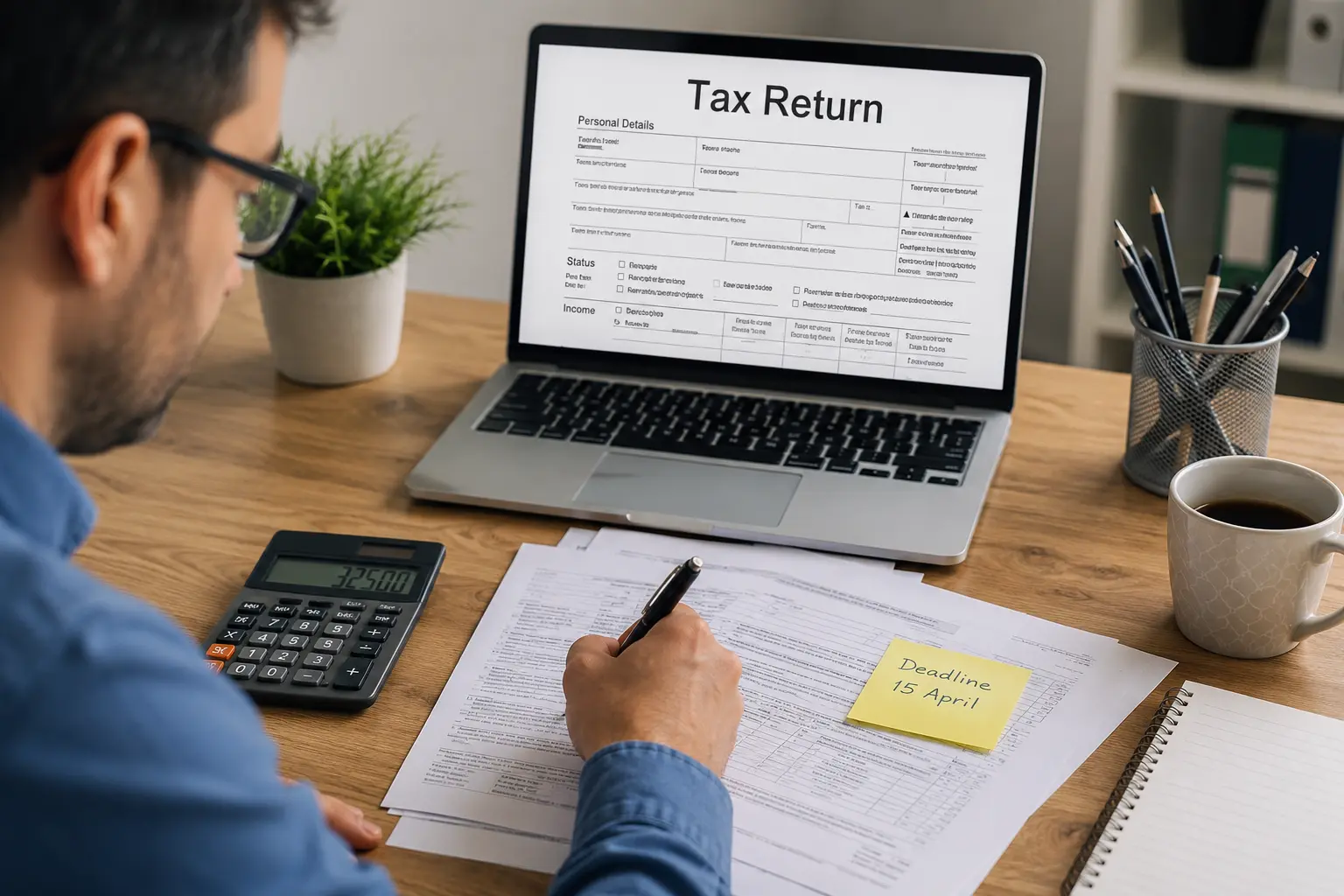
Tax season often creates stress, especially if you're filing on your own for the first time. Many people wait until the last minute, believing they have plenty of time or that filing a few days late won't make much difference. From my own experience helping people organize financial documents and prepare tax-related checklists, I've seen that delaying a tax return almost always creates unnecessary problems. Filing before Tax Day isn't just about following the law—it's one of the smartest financial habits you can build.
Whether you're employed, self-employed, working freelance, earning investment income, or running a small business, filing your income taxes on time protects your finances and helps you avoid costly mistakes. Even if you believe you owe little or nothing, submitting your return before the deadline keeps your financial records accurate and prevents avoidable complications.
Many people ask the same question: Why is it important to file your income taxes before Tax Day? Provide two reasons. While there are many benefits, two stand out above all others
:
- You avoid penalties, interest, and unnecessary legal complications.
- You receive any tax refund or available tax credits much sooner.
These two reasons alone can save hundreds—or even thousands—of dollars while reducing stress and improving your financial stability.
The Two Most Important Reasons to File Before Tax Day
1. You Avoid Penalties, Interest, and Unnecessary Financial Problems
The biggest reason to file before the deadline is simple: late filing can become expensive.
When taxpayers miss the official filing deadline, they may face financial penalties if taxes are owed. In many situations, interest also begins accumulating on unpaid balances. These charges continue growing over time, making what started as a manageable tax bill much more difficult to pay.
Even if you cannot pay the full amount immediately, filing your return before Tax Day is usually far better than ignoring the deadline. Filing demonstrates compliance and often reduces additional penalties compared to filing both late and paying late.
Think of it this way: delaying paperwork rarely makes financial obligations disappear. Instead, waiting often increases the total amount owed.
From personal experience organizing annual finances, I always recommend preparing documents several weeks before the deadline. Doing this leaves enough time to correct mistakes, locate missing forms, and avoid the pressure that comes with last-minute filing.
Why Penalties Matter More Than People Realize
Many first-time taxpayers assume a small delay won't matter.
Unfortunately, that's not always true.
Late filing may lead to:
- Additional filing penalties
- Interest charges on unpaid taxes
- Collection notices
- Increased financial stress
- Difficulty planning future budgets
2. You Receive Your Refund Much Faster
The second major reason is one many people overlook.
If you're owed a refund, the government generally cannot send it until your tax return has been processed.
That means every day you delay filing is another day your refund remains unavailable.
For many households, tax refunds provide important financial support. They may be used for:
- Emergency savings
- Paying credit card balances
- Covering rent or mortgage payments
- Home repairs
- Education expenses
- Family vacations
- Building investment accounts
Receiving this money earlier gives you greater financial flexibility.
Instead of letting your refund sit unclaimed, filing before Tax Day allows processing to begin sooner.
Understanding What Tax Day Really Means
Many people think Tax Day simply represents the last day to complete paperwork.
In reality, it marks the deadline for several important tax responsibilities, including:
- Filing annual income tax returns
- Paying taxes owed
- Requesting certain extensions
- Updating financial reporting information when required
Missing this date can affect multiple aspects of your financial records, not just one tax return.
Planning ahead helps ensure every requirement is completed accurately.
What Happens If You File Late?
The exact consequences depend on your financial situation.
Generally speaking, several things may happen.
Late Filing Penalties
If taxes are owed and no return is submitted before the deadline, penalties may begin accumulating.
These charges are designed to encourage timely filing and can continue increasing until the required return is received.
Interest on Unpaid Taxes
Interest may continue accumulating on unpaid tax balances.
Unlike one-time fees, interest grows over time, increasing the overall amount you eventually pay.
Delayed Refund Processing
If you're expecting money back, filing late delays processing.
Instead of receiving your refund early, you could wait weeks—or longer—before accessing funds that already belong to you.
Additional Administrative Issues
Late filing sometimes results in additional correspondence requesting missing information or clarification.
Responding to these requests takes extra time and creates unnecessary stress.
Can You Still File If You Cannot Pay?
Yes.One of the biggest misconceptions is that taxpayers should wait until they have enough money to pay the entire bill.
In reality, filing and paying are two separate responsibilities.
Submitting your return before the deadline is generally much better than delaying everything.
Even if payment must be arranged afterward, filing first often reduces additional penalties and demonstrates compliance.
This is an important distinction many first-time filers don't realize.
How Early Should You Prepare?
Waiting until the final week creates unnecessary pressure.
A better timeline is:
Four to Six Weeks Before Tax Day
Begin collecting:
- Income statements
- Expense records
- Deduction documentation
- Investment records
- Bank information
Two to Three Weeks Before
Review everything carefully.
Double-check names, identification numbers, income totals, and deductions.
One Week Before
Submit the return if everything looks accurate.
Filing early leaves enough time to correct unexpected issues if something needs additional attention.
Common Mistakes People Make
Many filing problems are entirely preventable.
Some of the most common mistakes include:
Waiting Until the Last Minute
Rushing increases the likelihood of errors.
Simple mistakes like incorrect account numbers or missing documents can delay processing significantly.
Ignoring Small Income Sources
Every reportable income source should be included.
Leaving out freelance work, investment income, or side business earnings may require future corrections.
Forgetting Tax Credits
Many taxpayers overlook credits and deductions they qualify for.
Reviewing eligibility carefully can reduce taxes owed or increase refunds.
Using Incorrect Personal Information
A spelling mistake, incorrect identification number, or outdated banking information can delay processing.
Always verify details before submitting.
The Financial Benefits of Filing Early
Early filing provides advantages beyond avoiding penalties.
It helps you:
- Plan your annual budget sooner
- Reduce uncertainty
- Organize financial records
- Identify missing documents
- Prevent identity-related filing problems
- Receive refunds earlier
- Improve overall financial planning
Many financially organized households treat tax preparation as part of their yearly budgeting routine rather than a last-minute obligation.
How Filing Early Helps Protect You from Tax Identity Theft
One benefit that many people overlook is the added protection against tax-related identity theft. Criminals sometimes attempt to use stolen personal information to submit fake tax returns and claim refunds before the real taxpayer files. While security systems continue to improve, filing your legitimate return early reduces the opportunity for someone else to submit a fraudulent return using your information.
From what I've seen while helping people organize annual financial records, many individuals only think about cybersecurity when banking online. However, tax information is just as valuable to criminals. Keeping documents secure, using trusted filing methods, and submitting your return well before Tax Day can add another layer of protection for your financial identity.
If your return is filed first, it becomes much more difficult for someone else to successfully file another return under your name.
Why Early Filing Makes Financial Planning Easier
Taxes are more than a legal requirement—they're an important part of your annual financial picture.
When you file early, you gain a clearer understanding of your overall finances. Instead of wondering whether you'll owe money or receive a refund, you'll know exactly where you stand. That certainty makes it easier to create realistic budgets and make informed financial decisions for the rest of the year.
For example, once your return is complete, you can confidently decide whether to:
- Increase emergency savings
- Pay down outstanding debt
- Invest for long-term goals
- Make a large planned purchase
- Set aside money for future tax obligations
Waiting until the last moment often delays these decisions and creates unnecessary uncertainty.
Better Record Keeping Starts with Early Filing
Good financial records make tax season far less stressful.
People who organize their documents throughout the year usually finish their tax returns more accurately and with much less anxiety. Instead of searching through months of emails, receipts, and financial statements at the last minute, they already have everything in one place.
A simple filing system may include:
Income Documents
Store every income statement, payment record, and earnings summary in a dedicated folder as soon as you receive it.
Expense Records
If you qualify for deductions related to work or business activities, keep receipts organized throughout the year instead of trying to reconstruct them later.
Bank Statements
Monthly statements can help verify income, expenses, and payments if questions arise during preparation.
Investment Records
Dividend statements, capital gains reports, and other investment documents should also be saved for accurate reporting.
Developing these habits not only simplifies tax preparation but also improves overall financial organization.
How Filing Before Tax Day Reduces Stress
One of the biggest benefits of filing early isn't financial—it's emotional.
Procrastination often turns a manageable task into a stressful one. As deadlines approach, people rush to gather paperwork, worry about missing information, and fear making mistakes. That pressure can lead to errors that require corrections later.
By contrast, completing your return early allows you to work at a comfortable pace. You have time to review your information carefully, ask questions if needed, and make corrections before submitting the final return.
In my experience, people who begin preparing several weeks before the deadline usually feel much more confident than those who wait until the final few days.
The Importance of Accuracy
Submitting your return on time is important, but accuracy matters just as much.
Simple mistakes can delay processing or require additional verification. Before filing, review every section carefully.
Pay special attention to:
- Personal information
- Income amounts
- Tax withholding details
- Deductions and credits
- Banking information for refunds
- Supporting documentation
Taking an extra thirty minutes to review your return can prevent weeks of unnecessary delays.
Why Electronic Filing Is Often the Better Choice
Many taxpayers choose electronic filing because it offers several practical advantages over paper filing.
These benefits often include:
- Faster processing times
- Immediate confirmation that the return was received
- Reduced risk of mailing delays
- Built-in error checks
- Faster refund delivery when direct deposit is selected
Electronic filing also makes it easier to keep digital copies of your records for future reference.
What If You Need More Time?
Sometimes unexpected situations make it impossible to complete a return before Tax Day.
Common examples include:
- Missing financial documents
- Medical emergencies
- Family emergencies
- Natural disasters
- Complex financial transactions requiring additional review
If you genuinely need more time, don't simply ignore the deadline. Explore the option of requesting an extension before Tax Day. An extension provides additional time to file the paperwork, although it generally does not extend the deadline for paying taxes that are owed.
Understanding this difference is important because many people mistakenly believe an extension postpones every tax obligation.
Common Myths About Filing Taxes
I Don't Need to File If I Can't Pay
This is one of the most common misunderstandings.
Even if paying the full amount immediately isn't possible, filing your return on time is usually the better decision. Waiting to file can result in additional penalties that could have been avoided.
Filing Early Increases the Chance of an Audit
Many people worry that filing before everyone else attracts unwanted attention.
In reality, filing early does not automatically increase audit risk. Returns are generally reviewed based on the information reported rather than the date they are submitted.
Tax Filing Is Only Important for High-Income Individuals
Every eligible taxpayer should understand their filing responsibilities.
Income level does not change the importance of accurate reporting, timely filing, or maintaining complete financial records.
Helpful Tips for a Smooth Tax Filing Experience
A little preparation can make the process much easier.
Here are some practical tips:
- Start collecting documents well before Tax Day.
- Review every income source carefully.
- Keep copies of submitted returns.
- Double-check all personal information.
- Save digital and printed records.
- Avoid rushing through the final review.
- File electronically whenever possible.
- Choose direct deposit if you're expecting a refund.
- Respond promptly if additional information is requested.
- Create a yearly checklist so next year's filing is even easier.
These simple habits can save time and reduce stress year after year.
How Filing Early Builds Better Financial Habits
Timely tax filing reflects strong financial management.
People who consistently file before Tax Day often develop other positive habits as well, including budgeting, saving regularly, tracking expenses, and reviewing financial goals. Over time, these habits can lead to greater financial stability and fewer surprises.
Rather than viewing taxes as a once-a-year obligation, consider them part of a broader financial routine. Preparing throughout the year makes Tax Day feel like the final step instead of a last-minute scramble.
FAQs :
1. Why is it important to file your income taxes before Tax Day?
The two most important reasons are avoiding penalties and interest if you owe taxes, and receiving your refund sooner if you're entitled to one. Filing before the deadline also helps protect your financial records, reduces stress, and gives you more time to correct mistakes before submitting your return.
2. What happens if I miss the Tax Day deadline?
If you miss the filing deadline, the consequences depend on your situation. If you owe taxes, you may face late-filing penalties and interest charges that increase over time. If you're due a refund, you generally won't be penalized for filing late, but you'll have to wait longer to receive your money. Delaying can also make future tax preparation more complicated.
3. Can I file my tax return if I can't pay the full amount?
Yes. Filing your return and paying your taxes are separate responsibilities. Even if you cannot pay the full balance immediately, submitting your return on time is usually the better option because it may reduce additional penalties and shows that you are complying with tax requirements.
4. Is filing early better than filing at the last minute?
In most cases, yes. Filing early gives you more time to review your information, correct mistakes, gather missing documents, and avoid unnecessary stress. It may also help you receive any refund faster and reduce the risk of tax identity theft.
5. Does filing early increase the chance of an audit?
No. The timing of your tax return generally does not determine whether it will be reviewed. Reviews are typically based on the information reported and whether there are inconsistencies or unusual items that require verification.
6. What documents should I prepare before filing my taxes?
Although requirements vary depending on your financial situation, it's helpful to gather income statements, bank records, investment documents, deduction records, receipts for eligible expenses, and any other paperwork related to your income or tax credits before starting your return.
7. How can I avoid mistakes when filing my tax return?
Take your time and review everything carefully before submitting. Double-check personal information, income figures, bank account details for direct deposit, deductions, and tax credits. Keeping organized records throughout the year also reduces the chance of errors.
8. What if I realize I made a mistake after filing?
Mistakes can happen. If you discover an error after submitting your return, don't panic. Many tax systems provide a process for correcting or amending a previously filed return. Acting promptly helps resolve the issue more efficiently.
Key Takeaways
If you remember only a few things from this guide, let them be these:
- Filing your income taxes before Tax Day helps you avoid unnecessary penalties and interest if you owe taxes.
- Filing early allows you to receive any refund or eligible tax credits sooner.
- Good preparation reduces stress and improves accuracy.
- Organized financial records make tax filing easier every year.
- Early filing can help reduce the risk of tax identity theft.
- Even if you cannot pay immediately, filing your return on time is generally better than waiting.
- Reviewing your return carefully before submitting helps prevent delays and costly corrections.
- Building a habit of timely filing supports stronger long-term financial management.
End Thoughts
Filing your income taxes before Tax Day is about much more than meeting a deadline. It reflects responsible financial management, protects your personal finances, and helps you avoid unnecessary complications. While many people focus only on the paperwork, the real value lies in the financial confidence that comes from staying organized and taking action early.
The two primary reasons are straightforward but powerful. First, filing on time helps you avoid penalties, interest, and avoidable administrative problems if you owe taxes. Second, it allows you to receive any refund or eligible tax credits sooner, giving you faster access to money that can support savings, debt repayment, or other financial goals.
From my own experience maintaining annual financial records, I've learned that the easiest tax season is the one you prepare for throughout the year. Keeping documents organized, reviewing income regularly, and starting the filing process well before the deadline removes much of the pressure that many people associate with taxes. Instead of rushing through forms at the last minute, you can file with confidence, knowing your information has been carefully reviewed.
Ultimately, timely tax filing isn't just about avoiding problems—it's about creating better financial habits. When you consistently file before Tax Day, you improve your record keeping, strengthen your budgeting process, reduce unnecessary stress, and put yourself in a better position to make informed financial decisions throughout the year.
Whether this is your first tax return or you've been filing for years, making early filing part of your annual routine is one of the simplest steps you can take toward long-term financial stability and peace of mind.