

Taking Control of Your Money
Managing money doesn't have to be complicated. The first budget I ever created wasn't perfect—in fact, I underestimated grocery costs, forgot about annual subscriptions, and didn't leave room for unexpected expenses. After a few months of adjusting, I realized something important: a good budget isn't about restricting your life; it's about giving every dollar a purpose.
If you're new to budgeting, you're not alone. Many people avoid creating a budget because they think it's time-consuming, confusing, or only necessary when money is tight. In reality, budgeting is one of the simplest ways to reduce financial stress, build savings, and reach your financial goals faster.
In this step-by-step guide, you'll learn exactly how to make a budget for beginners, avoid common mistakes, choose the best budgeting method, and create a spending plan you can actually stick with.
Why Budgeting Matters
A budget is simply a plan for your money. Instead of wondering where your paycheck went at the end of the month, you'll know exactly how much you're earning, spending, saving, and investing.
A well-planned budget helps you:
- Stay in control of your finances
- Reduce unnecessary spending
- Save for emergencies
- Pay off debt faster
- Prepare for large future expenses
- Feel more confident about your financial decisions
Budgeting isn't about saying "no" to everything you enjoy. It's about spending intentionally on the things that matter most.
What Is a Budget?
A budget is a financial plan that compares your income with your expenses over a specific period, usually one month.
It tells your money where to go before you spend it.
Think of your budget as a roadmap. Without one, it's easy to take wrong turns, overspend, and miss important financial goals.
A beginner-friendly budget includes:
- Monthly income
- Essential expenses
- Variable expenses
- Savings
- Debt payments
- Personal spending
The goal is to make sure every dollar has a job.
Step 1: Calculate Your Monthly Income
Before creating a budget, determine exactly how much money you receive each month.
Include:
- Salary after taxes
- Freelance income
- Side hustle earnings
- Bonuses (if consistent)
- Rental income
- Other reliable income sources
If your income changes every month, calculate the average from the past six months.
Example
Monthly take-home pay:
- Primary job: $3,500
- Freelance work: $400
Total monthly income: $3,900
Always budget using your actual take-home income rather than your gross salary.
Step 2: List Every Monthly Expense
Many beginners underestimate how much they spend.
Go through the last two or three months of bank statements and credit card transactions to identify every expense.
Divide them into categories.
Fixed Expenses
These stay mostly the same each month.
Examples include:
- Rent or mortgage
- Insurance
- Internet
- Phone bill
- Car payment
- Subscription services
Variable Expenses
These change every month.
Examples include:
- Groceries
- Fuel
- Utilities
- Dining out
- Entertainment
- Shopping
Occasional Expenses
Many budgets fail because people forget these.
Examples include:
- Holiday shopping
- Annual insurance payments
- Vehicle maintenance
- Medical expenses
- Gifts
- School supplies
A simple trick is to divide annual costs by 12 so you save a little each month instead of paying a large bill all at once.
Step 3: Categorize Your Spending
Organizing your expenses helps you understand where your money is going.
Common budget categories include:
Housing
Rent, mortgage, maintenance, utilities.
Transportation
Fuel, public transportation, parking, insurance, maintenance.
Food
Groceries, restaurants, coffee, takeout.
Health
Insurance, medications, doctor visits.
Debt
Credit cards, personal loans, student loans.
Savings
Emergency fund, retirement, investments.
Personal Spending
Shopping, hobbies, entertainment.
Family Expenses
Childcare, education, pet care.
Creating categories makes your budget much easier to manage and review.
Step 4: Choose a Budgeting Method
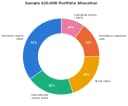
The 50/30/20 Budget
A beginner-friendly approach.
- 50% Needs
- 30% Wants
- 20% Savings and debt repayment
Example using $4,000 monthly income:
- Needs: $2,000
- Wants: $1,200
- Savings: $800
This method provides flexibility while encouraging healthy financial habits.
Zero-Based Budget
Every dollar receives a job.
Income – Expenses = $0
That doesn't mean spending everything.
Instead, every dollar is assigned to:
- Bills
- Savings
- Investments
- Debt
- Fun money
Many experienced budgeters prefer this approach because nothing gets forgotten.
Pay Yourself First
Instead of saving what's left over, save first.
Example:
Receive paycheck → Transfer savings immediately → Spend what's remaining.
This method helped me save more consistently because I stopped treating savings as an afterthought.
Step 5: Set Financial Goals
Short-Term Goals
- Build an emergency fund
- Pay off a credit card
- Save for a vacation
- Buy a laptop
Long-Term Goals
- Home purchase
- Retirement
- College savings
- Financial independence
Goals make budgeting feel rewarding instead of restrictive.
Step 6: Build an Emergency Fund
Unexpected expenses happen.
Cars break down.
Medical bills appear.
Appliances stop working.
Without emergency savings, these situations often lead to debt.
A good starting goal is saving one month of expenses before gradually increasing your emergency fund over time.
Keep emergency savings in an easily accessible account separate from your everyday spending.
Step 7: Track Every Dollar
A budget only works if you follow it.
Tracking doesn't need to be complicated.
You can use:
- A spreadsheet
- Budgeting apps
- A notebook
- Banking tools
Personally, I found that reviewing my spending every Sunday evening took less than fifteen minutes and prevented small overspending from becoming a major problem by the end of the month.
Consistency matters more than perfection.
Step 8: Compare Your Budget With Reality
At the end of each month, compare:
Budgeted amount vs. Actual spending.
Example:
This helps you improve next month's budget instead of repeating the same mistakes.
Step 9: Adjust Your Budget Every Month
Life changes.
Income changes.
Prices change.
Family situations change.
Your budget should evolve too.
Rather than creating one budget for the entire year, update it monthly.
This keeps your financial plan realistic and sustainable.
Common Budgeting Mistakes Beginners Make
Ignoring Small Purchases
Daily coffee, snacks, and online purchases add up faster than most people realize.
Making the Budget Too Strict
Completely eliminating entertainment often leads to frustration and overspending later.
Allow yourself reasonable fun money.
Forgetting Annual Expenses
Birthdays, holidays, insurance renewals, and maintenance should all be planned for.
Not Reviewing the Budget
A budget isn't something you create once and forget.
Regular reviews help you stay on track.
Setting Unrealistic Savings Goals
Trying to save half your income immediately usually isn't sustainable.
Start small and increase savings over time.
Simple Budget Example for Beginners
Monthly Income
$3,500
Expenses
Housing: $1,200
Utilities: $220
Transportation: $280
Groceries: $420
Insurance: $180
Phone & Internet: $120
Entertainment: $180
Dining Out: $150
Savings: $500
Emergency Fund: $150
Miscellaneous: $100
Total Expenses
$3,500
Every dollar has a purpose.
How to Stay Consistent With Your Budget
Building a budget is easy.
Following it every month is the real challenge.
Some habits that helped me stay consistent include:
- Checking account balances twice a week instead of daily.
- Planning grocery shopping before leaving home.
- Waiting 24 hours before making non-essential purchases.
- Setting automatic transfers to savings.
- Celebrating small financial wins instead of only focusing on large goals.
Remember that budgeting is a skill. Like any skill, it improves with practice.
Best Tips for Beginner Budgeters
Start Simple
Avoid creating dozens of spending categories.
Keep your budget manageable.
Use Automation
Automate savings, investments, and recurring bills whenever possible.
Expect Mistakes
No first budget is perfect.
Learn from each month instead of giving up.
Review Weekly
Small weekly check-ins are much easier than fixing an entire month's overspending.
Focus on Progress
Financial improvement is a marathon, not a sprint.
Small improvements every month create significant results over time.
Frequently Asked Questions
How much should beginners save each month?
There isn't a universal number. The best amount is one that fits comfortably within your budget while allowing you to cover essential expenses. Even saving a small percentage consistently can build strong financial habits over time.
Should I budget if I have irregular income?
Yes. Calculate your average monthly income using the past several months and build your budget around your lowest reliable income estimate. This approach provides a safer financial cushion during slower months.
Should I use cash or cards?
Both methods can work well. Some people find cash helpful for controlling discretionary spending, while others prefer digital payments because they are easier to track through banking apps and budgeting software.
How often should I update my budget?
Review your budget weekly and make larger adjustments at the end of each month. This helps you stay aware of spending patterns and adapt to changes in income or expenses.
Final Thoughts
Learning how to make a budget for beginners step by step isn't about creating a perfect spreadsheet or cutting out everything you enjoy. It's about understanding your financial habits, making intentional choices, and building a plan that supports your goals.
When I first started budgeting, I assumed success meant never exceeding a spending category. Over time, I realized that successful budgeting is really about awareness and consistency. Some months will go exactly as planned, while others won't. What matters most is reviewing your progress, making thoughtful adjustments, and continuing to move forward.
A budget should work for your life—not the other way around. Start with a simple plan, track your spending honestly, and refine your approach each month. Over time, those small, consistent actions can lead to greater financial confidence, reduced stress, stronger savings, and a healthier relationship with money.