

How to Make a Personal Finance Plan Using Saving Baskets: A Practical Guide to Organizing Your Money
Managing money doesn't have to feel stressful or confusing. One of the most effective budgeting methods I've personally used is the saving baskets approach. Instead of keeping every dollar in one place and hoping there's enough when bills arrive, you divide your money into different "baskets," each with a clear purpose. This simple system helps you spend intentionally, save consistently, and avoid financial surprises.
I first started using saving baskets after realizing that traditional budgeting wasn't working for me. Every month I knew how much I earned, but I never knew exactly where my money disappeared. Once I created separate savings categories for emergencies, bills, travel, and future goals, everything became easier to manage. I stopped borrowing from one expense to cover another, and my financial decisions became much less stressful.
Whether you're just starting your financial journey or looking to improve your existing budget, this guide explains exactly how to build a personal finance plan using saving baskets that actually works in everyday life.
What Is a Personal Finance Plan?
A personal finance plan is a roadmap that helps you manage your income, expenses, savings, investments, and financial goals. Instead of making money decisions randomly, you create a structured plan that tells every dollar where it should go.
A strong financial plan answers questions like:
- How much should I save each month?
- How much can I spend without guilt?
- Am I prepared for emergencies?
- How do I reach my long-term financial goals?
- How do I avoid unnecessary debt?
Think of your finance plan as a GPS for your money. Without one, it's easy to get lost. With one, every financial decision becomes clearer.
What Are Saving Baskets?
Saving baskets are individual categories where you set aside money for specific purposes. They can be physical envelopes, separate bank accounts, digital budgeting apps, or simply labeled savings categories.
Rather than viewing your savings as one large balance, you assign each dollar a job before spending it.
For example:
- Emergency Basket
- Monthly Bills Basket
- Vacation Basket
- Home Maintenance Basket
- Car Repairs Basket
- Holiday Gifts Basket
- Education Basket
- Investment Basket
- Retirement Basket
Each basket protects money intended for a specific goal so you don't accidentally spend it elsewhere.
Why Saving Baskets Work Better Than One Savings Account
Many people keep all of their savings together in one account. While this seems simple, it often creates confusion because it's impossible to know how much money is actually available.
Imagine having $8,000 in savings.
At first glance, it feels like plenty of money.
But what if:
- $2,500 is for emergency savings.
- $1,500 is reserved for annual insurance.
- $1,000 is for property taxes.
- $2,000 is for a vacation.
- $1,000 is for holiday shopping.
Suddenly, you realize very little is actually available for spontaneous spending.
Saving baskets eliminate this confusion by assigning every dollar a clear purpose.
Step 1: Understand Your Current Financial Situation
Before creating baskets, understand exactly where your money goes.
Calculate your:
Monthly Income
Include:
- Salary
- Freelance income
- Side business income
- Passive income
- Investment income
Always use your average monthly income if earnings vary.
Monthly Expenses
Separate expenses into categories.
Fixed expenses include:
- Rent or mortgage
- Insurance
- Utilities
- Loan payments
- Internet
Variable expenses include:
- Groceries
- Transportation
- Entertainment
- Dining out
- Shopping
Tracking your spending for one month often reveals surprising habits that are easy to improve.
Step 2: Set Clear Financial Goals
Saving without goals quickly becomes difficult.
Instead, identify what you're working toward.
Short-term goals may include:
- Building an emergency fund
- Paying off credit cards
- Buying new furniture
- Taking a vacation
Medium-term goals might include:
- Purchasing a vehicle
- Home improvements
- Professional certifications
Long-term goals often include:
- Retirement
- Financial independence
- Investment growth
- Buying a home
Every goal deserves its own saving basket.
Step 3: Create Your Saving Baskets
Now it's time to organize your money.
A practical setup might look like this:
Emergency Basket
This should always come first.
Unexpected expenses happen to everyone.
Medical bills.
Job loss.
Major repairs.
Having emergency savings prevents these events from becoming financial disasters.
Aim to save three to six months of essential expenses over time.
Bills Basket
Instead of scrambling every month, set aside money from each paycheck for upcoming bills.
When payment dates arrive, the money is already waiting.
Daily Spending Basket
This basket covers:
- Groceries
- Fuel
- Dining
- Entertainment
Once it's empty, you know it's time to reduce spending until the next paycheck.
Future Goals Basket
Every dream costs money.
Whether it's a home renovation or starting a business, contribute regularly instead of waiting until the last minute.
Investment Basket
Once emergency savings are healthy, begin setting aside money for investing.
Investing helps your money grow faster than simply leaving it in cash over the long term.
Step 4: Decide How Much Goes Into Each Basket
There is no perfect percentage.
Your allocation depends on income, responsibilities, and goals.
One simple example:
- 50% Essentials
- 20% Savings
- 20% Lifestyle
- 10% Investing
Alternatively, you can create custom percentages that fit your priorities.
The important part is consistency.
Step 5: Automate Your Saving Baskets
Automation removes emotion from saving.
Whenever you receive income:
Automatically transfer money into each basket before spending anything.
This simple habit dramatically increases consistency.
One lesson I learned personally is that saving manually rarely worked for me. Whenever I waited until the end of the month, there was usually very little left. Automating transfers completely changed my saving habits because I adjusted my spending around what remained instead of hoping to save whatever was left over.
Step 6: Track Your Progress Every Month
A finance plan isn't something you create once and forget.
Review every basket monthly.
Ask yourself:
- Did I overspend?
- Did I reach my savings target?
- Do any baskets need adjustments?
- Are my financial goals changing?
Small monthly improvements create massive long-term results.
Common Saving Basket Categories
Depending on your lifestyle, you might create baskets for:
- Emergency Fund
- Rent
- Utilities
- Groceries
- Transportation
- Medical Expenses
- Insurance
- Technology Upgrades
- Home Repairs
- Vehicle Maintenance
- Travel
- Education
- Children's Future
- Retirement
- Investing
- Gifts
- Holidays
- Charity
- Pet Care
- Taxes
- Entertainment
Not everyone needs every basket.
Build the system around your own priorities.
Mistakes to Avoid
Many people give up because of avoidable mistakes.
One common mistake is creating too many baskets right away. Managing twenty different categories becomes overwhelming. Start with five or six essential baskets and add more only when necessary.
Another mistake is using emergency savings for everyday purchases. The emergency basket should remain untouched unless a genuine emergency occurs.
Some people also stop saving after missing one month. Financial planning is about consistency over years, not perfection every single month.
Finally, avoid ignoring inflation or rising living costs. Review your basket amounts regularly so your savings continue matching reality.
Digital Tools That Make Saving Baskets Easier
Today's financial apps make basket budgeting easier than ever.
Helpful features include:
- Automatic transfers
- Goal tracking
- Spending alerts
- Budget reports
- Bill reminders
- Savings progress charts
Even a simple spreadsheet can work extremely well if updated consistently.
Remember, the best budgeting tool is the one you'll actually use every week.
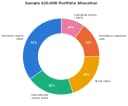
Real-Life Example of a Saving Basket Plan
Imagine someone earns $5,000 per month.
Their baskets could look like this:
Every dollar has a purpose before it's spent.
That clarity reduces stress and improves financial confidence.
How Saving Baskets Help Build Long-Term Wealth
The real strength of this system isn't just budgeting—it's behavior.
Saving baskets encourage consistent habits rather than relying on willpower. Instead of wondering if you can afford something, you simply check the relevant basket. If the money is there, you've already planned for it. If not, you wait or adjust your priorities.
Over time, these small decisions compound. Emergency savings grow, debt becomes easier to manage, investments receive regular contributions, and major purchases no longer require last-minute borrowing. This structured approach creates stability and gives you greater control over your financial future.
H2: Personal Tips That Made the Biggest Difference
Looking back at my own experience, a few simple habits produced the greatest results. I always treated savings as a fixed expense rather than something optional. Paying myself first meant my financial goals stayed on track even during busy months.
I also reviewed my baskets on the same day each month. That routine made it easy to spot overspending before it became a bigger problem. Another helpful habit was celebrating small milestones. Reaching the first $500 or $1,000 in a savings basket provided motivation to keep going, proving that consistent progress matters more than chasing perfection.
Conclusion
Creating a personal finance plan using saving baskets is one of the simplest and most effective ways to take control of your money. Instead of wondering where your income goes each month, you'll know exactly how every dollar supports your financial priorities. The system is flexible, easy to maintain, and adaptable as your goals change over time.
You don't need a perfect budget or a high income to make this method work. Start with a few essential baskets, automate your savings whenever possible, and review your progress consistently. Over months and years, these small, intentional habits can reduce financial stress, improve decision-making, and help you build lasting financial security. The key is to begin today—because every dollar assigned with purpose brings you one step closer to the future you want.
Frequently Asked Questions About Saving Baskets
How many saving baskets should I have?
Most people do well with five to eight baskets. Start with essentials such as emergency savings, bills, daily expenses, future goals, and investments. You can add more categories as your finances become more complex.
Can I use one bank account for all my baskets?
Yes. Many people track baskets digitally within a single account using budgeting apps or spreadsheets. Others prefer separate savings accounts for added discipline. Choose the method that helps you stay organized.
What if I have debt?
If you have high-interest debt, make paying it down one of your priority baskets while still contributing a smaller amount to an emergency fund. This balance helps reduce debt without leaving you financially vulnerable.
Is the saving basket method suitable for irregular income?
Absolutely. If your income varies, calculate your average monthly earnings and fund your essential baskets first whenever money comes in. Any extra income can then be directed toward long-term goals and investments.