

Personal Finance Saving and Investing - The Complete Guide to Building Long-Term Financial Security
Managing money isn't just about earning more—it's about making smarter decisions with what you already have. Many people work hard every day but still struggle to achieve financial stability because they don't have a clear plan for saving and investing. Building wealth is rarely the result of luck. Instead, it comes from consistent habits, thoughtful planning, and making informed financial decisions over time.
If you're wondering how to save money more effectively, where to start investing, or how to build long-term financial security, you're in the right place. This comprehensive guide explains every essential aspect of personal finance saving and investing in simple, practical language. Whether you're beginning your financial journey or looking to improve your existing strategy, the principles in this guide can help you make confident decisions that support your future goals.
Speaking from experience, one of the biggest lessons I learned about personal finance was that small, consistent actions matter far more than occasional big efforts. There was a time when I believed saving would only be possible after earning a much higher income. Instead, I discovered that creating a simple budget and automatically saving a small percentage every month had a much bigger impact than waiting for the "perfect" financial situation. That habit eventually created both confidence and financial discipline.
Unlike short-term financial advice that promises quick wealth, this guide focuses on realistic strategies that work over the long term. The goal isn't simply to save more money—it's to build a financial life that provides security, flexibility, and peace of mind.
What Is Personal Finance?
Personal finance refers to the way individuals manage their money throughout their lives. It includes earning income, creating a budget, saving for future goals, investing to grow wealth, managing debt responsibly, protecting assets through insurance, and preparing for retirement. Every financial decision you make, from paying monthly bills to choosing investment opportunities, becomes part of your overall personal finance strategy.
Many people think personal finance is only about numbers and spreadsheets, but it is actually about making choices that align with your lifestyle and long-term priorities. Someone planning to buy a home, start a business, or retire comfortably will likely make different financial decisions than someone focused on paying off debt or building an emergency fund. Good personal finance isn't about copying someone else's plan—it's about creating a strategy that fits your own circumstances.
A strong personal finance system gives you greater control over your future. Instead of worrying about every unexpected expense, you develop financial resilience that allows you to handle life's challenges with confidence. This doesn't happen overnight, but every smart financial decision builds upon the last.
Why Saving and Investing Are Both Essential
Many beginners assume that saving and investing serve the same purpose, but they actually solve different financial problems. Understanding the difference is one of the most important steps toward building long-term wealth.
Saving is designed to protect your money and make it easily accessible when you need it. Funds kept in savings are ideal for emergencies, planned purchases, and short-term financial goals. While savings generally provide stability, they usually grow slowly over time.
Investing, on the other hand, focuses on long-term growth. Rather than simply preserving your money, investing allows your assets to generate returns through market growth, dividends, interest, or other forms of appreciation. Although investing involves risk, it also offers significantly greater potential for building wealth over many years.
The healthiest financial plan combines both strategies instead of choosing one over the other. Savings provide security, while investments create future opportunities. Think of savings as the foundation of your financial house and investing as the structure that allows it to grow stronger over time.
When I first started organizing my finances, I made the mistake of focusing only on saving money. Watching my savings account grow felt rewarding, but I eventually realized that inflation gradually reduced its purchasing power. Learning about long-term investing helped me understand that money should not simply sit still—it should work alongside me to build future financial freedom.
Why Financial Planning Matters More Than Income
One of the biggest misconceptions about wealth is that high income automatically leads to financial success. In reality, many high-income earners experience financial stress because they spend everything they earn, while people with moderate incomes often build impressive wealth through disciplined financial habits.
Financial planning creates direction for your money. Without a plan, income tends to disappear through unnecessary spending, impulse purchases, and lifestyle inflation. With a clear financial strategy, every dollar has a purpose, making it easier to balance current enjoyment with future security.
Good financial planning also reduces emotional decision-making. Instead of reacting to every market headline, unexpected expense, or sales promotion, you follow a system based on long-term objectives. This consistency often produces better financial outcomes than constantly changing strategies.
More importantly, financial planning provides confidence. Knowing that you're actively working toward meaningful goals—whether that's becoming debt-free, purchasing a home, or preparing for retirement—creates peace of mind that extends beyond money itself.
Common Financial Mistakes That Prevent People from Building Wealth
Everyone makes financial mistakes at some point, especially during the early stages of learning about money management. The key is recognizing these habits before they become long-term problems.
One of the most common mistakes is spending first and saving whatever remains at the end of the month. Unfortunately, there is often very little left to save. Reversing this process by saving first and spending the remainder can dramatically improve financial progress over time.
Another frequent mistake is living beyond your means. Easy access to credit cards, financing options, and online shopping makes overspending surprisingly easy. While occasional purchases aren't harmful, consistently spending more than you earn eventually creates debt that limits future financial opportunities.
Many people also delay investing because they believe they need a large amount of money to begin. In reality, consistency matters far more than starting with a large balance. Small investments made regularly often outperform large investments made inconsistently because they benefit from long-term compounding.
Ignoring financial education is another overlooked mistake. Personal finance isn't something most people are formally taught, so taking time to understand budgeting, investing, taxes, and risk management can provide lifelong benefits. Every hour spent improving financial knowledge has the potential to save or earn far more money in the future.
Building a Strong Financial Foundation Before Investing
Before focusing on growing wealth through investments, it's important to create a stable financial foundation. Investing without financial stability often leads to unnecessary stress because unexpected expenses may force you to sell investments at the wrong time.
The first priority should always be understanding your monthly income and expenses. Knowing exactly where your money goes allows you to identify opportunities to save without significantly reducing your quality of life. Even small recurring expenses can add up over the course of a year.
Next, establish a realistic monthly budget that reflects your priorities rather than temporary wants. A good budget should feel sustainable, not restrictive. If a financial plan is too difficult to maintain, it's unlikely to succeed over the long term.
Reducing unnecessary high-interest debt is another critical step. Interest payments can quietly consume a significant portion of your income, making it harder to save or invest consistently. Eliminating expensive debt often provides a guaranteed financial benefit before pursuing higher-risk investment opportunities.
Finally, begin building financial habits that can continue for decades rather than weeks. Automating savings, reviewing your budget regularly, and tracking progress each month may seem simple, but these consistent actions often have a greater impact than chasing the latest financial trends or investment opportunities.
By focusing on strong financial fundamentals first, every future investment decision becomes more stable, less stressful, and more likely to support your long-term financial goals.
How to Build an Emergency Fund
Before thinking about investing, one financial habit should come first—building an emergency fund. Life is unpredictable, and unexpected expenses can happen at any time. Medical bills, car repairs, home maintenance, or temporary job loss can quickly create financial stress if you don't have money set aside.
An emergency fund acts as your financial safety net. Instead of relying on credit cards or loans during difficult situations, you can use your savings and recover without creating unnecessary debt. This not only protects your finances but also gives you greater peace of mind.
When I started improving my finances, creating an emergency fund became my first major goal. Even though it grew slowly in the beginning, having money available for unexpected situations gave me confidence and prevented several stressful financial decisions.
How Much Should You Save for Emergencies?
Although everyone's situation is different, many financial experts recommend saving enough money to cover several months of essential living expenses. If your income is stable, you may feel comfortable with a smaller emergency fund. If your income changes from month to month or you are self-employed, building a larger emergency reserve may provide additional security.
Instead of focusing on one large number, start with small milestones. Reaching each milestone creates motivation and makes the overall goal feel much more achievable.
Simple Steps to Build Your Emergency Fund
- Open a dedicated savings account for emergencies.
- Automate monthly transfers immediately after payday.
- Save unexpected income such as bonuses or tax refunds.
- Avoid using the fund for vacations or shopping.
- Replace any money you withdraw as soon as possible.
- Increase contributions whenever your income grows.
The Best Budgeting Methods That Actually Work
Budgeting is often misunderstood. Many people believe a budget is designed to restrict spending, but the opposite is true. A good budget simply gives every dollar a purpose so you stay in control of your finances rather than wondering where your money disappeared.
The best budget is one you can realistically follow every month. A complicated system that you abandon after two weeks is far less effective than a simple plan you maintain for years.
1. The 50/30/20 Budget
This popular budgeting strategy divides your income into three categories:
- 50% for essential needs.
- 30% for personal wants.
- 20% for savings and investing.
This approach works well for many people because it provides structure while still allowing room for flexibility and enjoyment.
2. Zero-Based Budgeting
With zero-based budgeting, every dollar receives a specific job before the month begins. Income minus planned expenses equals zero—not because you spend everything, but because savings and investments are included in the plan.
This budgeting style works especially well for people who want complete control over their finances.
3. Pay Yourself First
Instead of saving whatever remains after paying bills, reverse the process.
The strategy is simple:
- Save first.
- Invest second.
- Spend what's left.
This method helped me become much more consistent because saving became automatic instead of optional.
How Much Should You Save Each Month?
There is no perfect percentage that works for everyone. The right amount depends on your income, living expenses, financial goals, and current responsibilities. What's more important than the exact percentage is building consistency.
If you're just getting started, don't worry about saving a large amount immediately. Even small monthly contributions create positive financial habits that become easier over time.
Whenever your income increases, consider increasing your savings before increasing your lifestyle. This simple habit helps prevent lifestyle inflation, where higher earnings automatically lead to higher spending.
Good Saving Habits Include
- Increase savings after every salary raise.
- Save before spending.
- Review your budget every month.
- Track your financial progress regularly.
- Celebrate small milestones without overspending.
Smart Saving Strategies That Actually Work
Saving money doesn't always require earning more. In many cases, improving everyday financial habits creates the biggest long-term results.
Rather than making extreme lifestyle changes, focus on small improvements that you can maintain consistently. Over time, these habits can save thousands while requiring very little effort.
Practical Ways to Save More Money
- Automate your savings.
- Reduce impulse purchases.
- Wait 24 hours before making non-essential purchases.
- Cancel subscriptions you rarely use.
- Compare prices before buying expensive items.
- Prepare meals at home more often.
- Buy quality products that last longer.
- Avoid unnecessary financing for consumer purchases.
- Set monthly spending limits for entertainment.
- Review bank statements regularly.
These habits may seem simple, but together they create a powerful financial system that supports both saving and investing.

Setting Financial Goals That Keep You Motivated
Saving money becomes much easier when you know exactly why you're saving. Without clear goals, it's easy to lose motivation or spend money impulsively.
Instead of setting vague goals like "save more money," define goals that are specific and measurable. A clear target gives every financial decision more purpose.
Examples of Short-Term Goals
- Build an emergency fund.
- Pay off credit card debt.
- Save for a vacation.
- Purchase a laptop or vehicle.
- Cover education expenses.
Examples of Long-Term Goals
- Buy a home.
- Build an investment portfolio.
- Achieve financial independence.
- Prepare for retirement.
- Create passive income.
I personally found that breaking one large financial goal into several smaller milestones made the process much less overwhelming. Reaching each milestone created momentum and encouraged me to continue rather than giving up halfway through.
Managing Debt Without Hurting Your Financial Future
Debt isn't always bad. Responsible borrowing can help finance education, purchase property, or support business growth. However, high-interest consumer debt can become one of the biggest obstacles to building wealth.
The goal isn't simply eliminating every debt immediately. Instead, focus on reducing expensive debt while continuing to save and invest whenever possible.
Smart Debt Management Tips
- Always make payments on time.
- Pay more than the minimum whenever possible.
- Prioritize high-interest balances first.
- Avoid borrowing for unnecessary purchases.
- Create a realistic repayment plan.
- Avoid accumulating new debt while paying off old balances.
Managing debt responsibly improves your financial flexibility and allows more of your future income to be invested rather than spent on interest payments.
How to Increase Your Savings Faster
If your goal is to grow your savings more quickly, focus on increasing the gap between what you earn and what you spend. This doesn't always require a dramatic lifestyle change.
Instead, combine several small improvements that work together over time.
Effective Ways to Save Faster
- Increase your income through side work or freelancing.
- Save bonuses instead of spending them.
- Reduce recurring monthly expenses.
- Automate every savings contribution.
- Invest in improving your career skills.
- Avoid lifestyle inflation after income increases.
- Review financial goals every three months.
- Track your net worth regularly.
Consistent financial habits almost always outperform short-term motivation. Building wealth isn't about making one perfect decision—it's about making hundreds of smart decisions over many years.
Investing for Beginners: Where Should You Start?
Investing can seem intimidating at first because there are countless options, financial terms, and opinions available online. The good news is that successful investing doesn't require predicting the market or finding the "perfect" investment. It starts with understanding your financial goals, your risk tolerance, and your investment timeline.
Before investing, make sure your emergency fund is established and that high-interest debt is under control. Investing works best when your money can remain invested for years instead of being withdrawn because of unexpected expenses.
One lesson I learned early was that trying to time the market created more stress than results. Once I shifted my focus from short-term price movements to consistent long-term investing, my financial decisions became much simpler and much more disciplined.
Understanding Risk and Return
Every investment carries some level of risk. Generally, investments with higher potential returns also involve higher levels of uncertainty. Understanding this relationship helps you avoid unrealistic expectations.
Risk should never be viewed as something to fear completely. Instead, it should be managed wisely through diversification, proper planning, and maintaining a long-term perspective.
Common Types of Investment Risk
- Market risk
- Inflation risk
- Interest rate risk
- Business risk
- Liquidity risk
- Economic risk
Rather than avoiding risk entirely, successful investors focus on managing risks they can control while remaining invested through normal market fluctuations.
Popular Types of Investments
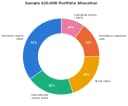
Different investments serve different purposes. A balanced portfolio often includes multiple asset types that work together.
1. Stocks
Stocks represent ownership in publicly traded companies. Over long periods, they have historically offered strong growth potential, although prices can fluctuate significantly in the short term.
Stocks are generally suitable for investors with longer investment horizons who can tolerate temporary market declines.
2. Bonds
Bonds are loans made to governments or corporations in exchange for regular interest payments.
Compared to stocks, bonds usually offer lower potential returns but greater stability, making them useful for balancing investment risk.
3. Index Funds
Index funds track the performance of a market index rather than trying to outperform it.
Many long-term investors prefer index funds because they offer:
- Broad diversification
- Lower management costs
- Simple long-term investing
- Reduced emotional decision-making
4. Exchange-Traded Funds (ETFs)
ETFs combine many investments into one fund while trading similarly to stocks throughout the day.
Benefits include:
- Diversification
- Lower expenses
- Easy buying and selling
- Wide investment choices
5. Real Estate Investments
Real estate can generate income through rental payments while also increasing in value over time.
However, investors should consider:
- Maintenance costs
- Property taxes
- Market conditions
- Liquidity limitations
Why Diversification Is So Important
One of the oldest investing principles remains one of the most effective: don't rely on a single investment.
Diversification simply means spreading your investments across different assets instead of placing everything into one company, industry, or investment type.
When one investment performs poorly, others may perform better, helping reduce the overall volatility of your portfolio.
Benefits of Diversification
- Reduces overall investment risk.
- Creates more consistent long-term performance.
- Limits losses from individual investments.
- Improves portfolio stability.
- Encourages disciplined investing.
Diversification doesn't eliminate risk completely, but it helps prevent one poor investment from damaging your entire financial future.
The Power of Long-Term Investing
Many beginners believe investing is about buying and selling frequently. In reality, long-term investing has historically rewarded patience far more than constant trading.
Markets naturally experience periods of growth and decline. Investors who panic during temporary downturns often miss future recoveries.
A long-term investment strategy allows your investments to benefit from compound growth, where earnings generate additional earnings over time.
Long-Term Investing Habits
- Invest consistently.
- Ignore short-term market noise.
- Review your portfolio periodically.
- Rebalance when necessary.
- Continue investing during market downturns.
- Stay focused on long-term goals.
Patience is often one of the most valuable investing skills anyone can develop.
Common Investment Mistakes to Avoid
Even experienced investors occasionally make mistakes. Fortunately, many common investing errors are preventable.
Avoid These Mistakes
- Investing without financial goals.
- Trying to get rich quickly.
- Following social media investment hype.
- Ignoring diversification.
- Investing money needed in the short term.
- Letting emotions control decisions.
- Frequently buying and selling investments.
- Forgetting to review investment costs.
- Ignoring tax efficiency.
- Waiting too long before starting.
One of the biggest mistakes I nearly made was delaying investing because I believed I needed a large amount of money first. Looking back, starting earlier with smaller contributions would have been much more beneficial than waiting for the "perfect" moment.
Planning for Retirement Starts Earlier Than Most People Think
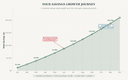
Retirement planning isn't something that should begin only a few years before leaving the workforce. The earlier you start, the more time your investments have to grow through compounding.
Even modest monthly investments can become substantial over several decades because investment returns continue building on previous returns.
Retirement Planning Tips
- Start as early as possible.
- Increase contributions over time.
- Invest consistently.
- Avoid unnecessary withdrawals.
- Review retirement goals annually.
- Keep investment costs low.
Retirement planning isn't about predicting the future perfectly—it's about giving yourself as many financial options as possible later in life.
Conclusion
Building financial security is not about making one perfect decision—it is about developing consistent habits that support your goals year after year. Saving provides the stability to handle life's unexpected challenges, while investing gives your money the opportunity to grow and create long-term wealth. Together, these two habits form the foundation of a healthy financial future.
Remember that personal finance is a lifelong journey, not a race. You do not need a high income to begin making smart financial choices. What matters most is creating a realistic plan, spending intentionally, saving consistently, and investing with patience. Small actions repeated over many years often produce far greater results than occasional large efforts.
From my own experience, the biggest improvement came from focusing on consistency instead of perfection. There were months when I could save only a small amount, but maintaining the habit was far more valuable than waiting until I could contribute more. Over time, those small steps created momentum, confidence, and a stronger financial foundation.
Start where you are today, use the resources available to you, and continue learning as your financial knowledge grows. The earlier you begin building smart saving and investing habits, the greater your opportunity to enjoy financial freedom, flexibility, and peace of mind in the years ahead.
Frequently Asked Questions :
Is saving better than investing?
Neither is better on its own. Saving protects money for short-term needs and emergencies, while investing helps grow wealth over the long term. A balanced financial plan usually includes both.
How much money should I save before investing?
Most people benefit from building an emergency fund before investing. Having financial reserves reduces the chance of selling investments during unexpected situations.
Can beginners start investing with a small amount?
Yes. Consistency is generally more important than starting with a large investment. Small contributions made regularly can grow significantly over time through compounding.
What is the safest investment?
No investment is completely risk-free. Generally, lower-risk investments offer lower potential returns, while higher-return investments involve greater risk.
How often should I review my investments?
Reviewing your portfolio once or twice a year is usually sufficient unless your financial goals or personal circumstances change significantly.
Can I save and invest at the same time?
Yes. Many people build emergency savings while also making regular long-term investments. The right balance depends on your financial situation and goals.
How long should I stay invested?
Investment timelines vary, but long-term investing often provides greater opportunities for growth than trying to profit from short-term market movements.
Why is diversification important?
Diversification helps reduce overall investment risk by spreading investments across multiple assets instead of relying on one investment.