

What Is Saving in Personal Finance - A Complete Guide to Building Financial Security
Introduction:
Understanding the Importance of Saving in Personal Finance
Saving is one of the most important foundations of personal finance. It means setting aside a portion of your income instead of spending all of it immediately. The money you save can help you handle unexpected expenses, achieve future goals, reduce financial stress, and create long-term financial stability.
Many people think saving is only about putting money into a bank account, but personal finance saving is much broader than that. It is a habit, a financial strategy, and a way of making better decisions with your money. When you develop a strong saving habit, you gain more control over your financial future.
In my experience studying personal finance principles, one of the biggest differences between financially stable people and those who constantly struggle with money is not always how much they earn. It is often how they manage and save the money they already have. Even a small amount saved consistently can create a powerful financial cushion over time.
Saving does not require a perfect income or a large amount of money. The key is developing a system where saving becomes a regular part of your financial life.
Why Is Saving Important in Personal Finance?
Saving plays a critical role because it provides financial protection and flexibility. Without savings, even a small unexpected expense can create stress and force people to depend on loans or credit.
A strong saving habit gives you the ability to handle financial challenges without damaging your long-term plans.
1. Saving Helps You Build an Emergency Fund
One of the most important reasons to save money is to create an emergency fund. Life is unpredictable, and unexpected situations can happen at any time. Medical costs, sudden repairs, job changes, or urgent family needs can create financial pressure.
An emergency fund works like a financial safety net. Instead of borrowing money during difficult situations, you can use your own saved money.
A common personal finance lesson is that savings should protect your future self. The money you save today can become the support system you need tomorrow.
2. Saving Reduces Financial Stress
Money problems are one of the biggest sources of stress for many people. When you have no savings, every unexpected expense can feel overwhelming.
Having savings creates confidence because you know you have resources available when needed. Even a small savings balance can provide peace of mind because it gives you more control over your decisions.
From personal finance experience, many beginners focus only on earning more money, but improving money management and saving habits often creates faster financial improvement.
3. Saving Helps You Achieve Financial Goals
Almost every financial goal requires saving. Whether you want to buy something important, start a business, continue education, or create long-term wealth, savings provide the starting point.
Instead of depending on debt or last-minute financial solutions, saving allows you to prepare in advance.
For example, if someone wants to make a large purchase in the future, saving a fixed amount every month can make that goal easier and less stressful.
How Does Saving Work in Personal Finance?
Saving works by creating a gap between your income and expenses. The money you do not spend becomes available for future needs.
The basic formula is:
Income – Expenses = Savings
However, many financial experts recommend changing the formula:
Income – Savings = Expenses
This means saving money should happen before spending.
For example, imagine someone receives their monthly income. Instead of paying all expenses first and hoping money remains, they immediately move a planned amount into savings. This creates consistency and makes saving automatic.
The goal is not always to save a huge amount. The goal is to build a repeatable system.
Different Types of Savings in Personal Finance
Saving is not limited to one category. Different savings goals require different approaches.
1. Emergency Savings
Emergency savings are designed for unexpected situations. This money should be easily accessible because you may need it quickly.
Examples include:
- Unexpected bills
- Urgent repairs
- Temporary income loss
- Emergency travel needs
The purpose of emergency savings is protection, not growth.
2. Short-Term Savings
Short-term savings are usually created for goals that may happen within a few months or years.
Examples include:
- Buying electronics
- Planning a vacation
- Paying for a course
- Saving for a special event
Short-term savings help you avoid unnecessary debt because you prepare before spending.
3. Long-Term Savings
Long-term savings are created for future financial needs. These goals usually require patience and consistency.
Examples include:
- Retirement planning
- Building wealth
- Major life goals
- Future financial independence
Long-term saving often works together with investing because money can potentially grow over time.
Understanding Key Types of Savings in Personal Finance
Saving money is not simply about keeping extra cash aside. Effective personal finance management requires knowing the purpose of your savings, how long you need to keep the money, and where it should be stored. Different financial goals require different saving methods and strategies.
Emergency Fund: Protecting Yourself From Unexpected Expenses
An emergency fund is a crucial part of financial planning because it helps you manage unexpected situations without creating financial pressure. This type of saving is designed for emergencies such as sudden medical costs, unexpected repairs, temporary income problems, or urgent personal expenses.
Many financial professionals suggest maintaining an emergency fund that can cover approximately three to six months of essential living costs. The amount you need depends on your lifestyle, monthly expenses, job stability, and personal responsibilities.
The main purpose of an emergency fund is not to generate profit but to provide financial protection when life does not go according to plan. Having this backup money means you are less likely to rely on high-interest debt or financial support from others during difficult situations.
A well-prepared emergency fund creates a sense of financial security because you know you have a safety cushion available whenever unexpected challenges appear.
Short-Term Savings and Long-Term Savings: Knowing the Difference
Every saving goal has a different timeline, and understanding that timeline helps you choose the right approach.
Short-term savings are usually created for goals that may happen within a few months or several years, generally around one to five years. The focus of short-term saving is protecting your money while keeping it available when needed.
Common examples of short-term savings include:
- Saving for a planned purchase
- Paying for education or skill development
- Preparing for a holiday or special event
- Buying important personal items
- Managing upcoming financial commitments
Since these goals are closer, keeping the money safe and accessible is usually more important than taking unnecessary risks.
Long-term savings, however, are designed for future goals that may be many years away. Examples include retirement preparation, wealth creation, and achieving long-term financial independence.
For money that will not be needed for a long period, many people consider investment options because they may provide better growth opportunities and help reduce the impact of inflation over time.
Why Liquidity Matters When Saving Money
Liquidity refers to how easily you can access your money whenever you need it. One of the biggest advantages of saving is having funds available without complicated processes or major losses.
Most people keep their savings in places that allow quick access, such as regular savings accounts, fixed deposits, or reliable digital money services. These options allow you to use your money when required while keeping it relatively secure.
For example, emergency savings should usually remain in highly accessible accounts instead of being placed into assets that may take time to sell, such as property or certain long-term investments.
A smart saving plan considers three important factors:
- Safety – protecting your money from unnecessary risks
- Accessibility – being able to use the money when needed
- Purpose – matching your savings method with your financial goals
Choosing the right place for your savings depends on your personal needs and the timeline of your financial goals.
Saving vs. Investing: How Are They Different?
Although saving and investing are connected, they serve two different purposes in personal finance.
Saving is mainly focused on protecting money and preparing for upcoming needs. It is generally suitable for emergencies and short-term financial goals because the priority is keeping the money safe and available.
Investing is focused on increasing wealth over a longer period. It involves putting money into assets that may grow in value over time, but it also comes with higher risk compared to traditional savings.
A simple comparison:
- Saving helps you protect your money and handle short-term needs.
- Investing helps you potentially grow your money for future financial goals.
For example, money reserved for an emergency fund should usually stay in savings because you may need immediate access. However, money that you will not need for many years can be considered for investment opportunities that support long-term growth.
A strong personal finance strategy does not depend only on saving or only on investing. Instead, it combines both approaches — saving provides stability and protection today, while investing helps create opportunities for future financial growth.
How Much Should You Save? Effective Saving Strategies and Common Mistakes to Avoid
How Much Money Should You Save Each Month?
One of the most common questions people have about personal finance is: “How much should I save every month?” The answer depends on your income, expenses, financial goals, and current situation. There is no single saving amount that works for everyone, but having a clear target can make the process easier.
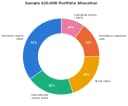
A popular guideline is the 50/30/20 budgeting rule, which suggests dividing your income into three categories:
- 50% for essential needs such as housing, food, transportation, and bills
- 30% for personal wants such as entertainment, shopping, and hobbies
- 20% for savings and financial goals
This rule is only a starting point, not a strict requirement. Some people may save more because they have fewer expenses, while others may need to start with a smaller amount and increase gradually.
The most important factor is consistency. Saving a small percentage of your income regularly is usually more effective than waiting until you have a large amount of money available.
For example, someone who saves $100 every month is building a stronger financial habit than someone who saves nothing while waiting for the “perfect time” to start.
The Best Saving Strategies for Building Wealth
Developing a successful saving habit requires more than just deciding to save. You need a practical system that makes saving easier and more automatic.
1. Pay Yourself First
One of the most effective saving methods is paying yourself first. This means saving money immediately after receiving your income before spending on other things.
Many people follow the habit of spending first and saving whatever remains. However, this often leads to saving very little because daily expenses can consume most of the available money.
A better approach is to automatically transfer a fixed amount into your savings account every month. This turns saving into a regular financial habit instead of something you only do when extra money is available.
From practical experience, automation is one of the easiest ways to stay consistent because it removes the need to make the same decision every month.
2. Create Separate Savings Accounts for Different Goals
Keeping all your money in one account can make it difficult to track your progress. A useful strategy is separating savings based on their purpose.
For example, you may have:
- Emergency fund savings
- Vacation savings
- Education savings
- Home or major purchase savings
- Long-term wealth savings
When each goal has its own place, you can clearly see your progress and avoid accidentally spending money that was meant for another purpose.
This method also creates motivation because watching each savings goal grow gives you a sense of achievement.
3. Reduce Unnecessary Expenses and Save the Difference
Saving does not always require earning more money. Sometimes improving your spending habits can create extra savings opportunities.
Small expenses that seem harmless can add up significantly over time. Examples include:
- Unused subscriptions
- Frequent impulse purchases
- Expensive daily habits
- Unplanned online shopping
The goal is not to remove every enjoyable expense from your life. Instead, it is about making smarter choices and spending money on things that truly matter.
A balanced approach allows you to enjoy your present life while still preparing for the future.
Common Saving Mistakes People Make
Even people who understand the importance of saving can make mistakes that slow down their financial progress. Recognizing these mistakes can help you create better money habits.
1. Saving Without a Clear Goal
Saving money without knowing why you are saving can make it difficult to stay motivated.
A specific goal gives your savings a purpose. Instead of saying, “I want to save more money,” create a clear target such as:
- Building a six-month emergency fund
- Saving for a specific purchase
- Preparing for future financial independence
When you have a goal, every saved dollar feels meaningful.
2. Keeping Too Much Money in Low-Growth Accounts
While keeping money safe is important, storing all your money in accounts that provide little growth may reduce its future value because of inflation.
Savings are important for security and short-term needs, but long-term financial goals may require additional strategies such as investing.
The key is finding the right balance between safety, accessibility, and growth.
3. Depending on Credit Instead of Savings
Using credit cards or loans for unexpected expenses can create financial pressure, especially when high interest rates are involved.
Without savings, even a small emergency can become a long-term financial problem.
Building savings helps you rely less on borrowed money and gives you more control over your financial decisions.
4. Trying to Save Too Much Too Quickly
A common mistake is setting unrealistic saving goals that are difficult to maintain.
For example, someone may decide to save a very large amount immediately, but if it affects basic needs and daily life, they may eventually give up.
A better approach is starting with a realistic amount and increasing it gradually as your income and financial situation improve.
Small consistent actions often create bigger results over time.
Practical Tips to Improve Your Saving Habits
Building savings is a long-term process. The following strategies can make saving easier and more sustainable:
Track Your Income and Expenses
Understanding where your money goes is the first step toward better saving. By tracking expenses, you can identify unnecessary spending and find opportunities to save more.
Many people are surprised when they discover how much money disappears through small daily purchases.
Set Automatic Transfers
Automation removes the effort required to save. Setting up automatic transfers after receiving income helps ensure that saving happens consistently.
This strategy is especially useful because it turns saving into a habit rather than a monthly decision.
Increase Savings When Your Income Grows
When your income increases, consider increasing your savings amount instead of increasing all your spending.
For example, if you receive a salary increase, you can allocate part of that extra income toward savings or investments.
This helps you improve your financial position without feeling restricted.
Stay Patient and Focus on Progress
Building strong savings takes time. Financial success usually comes from repeated small actions rather than one big decision.
A person who saves consistently for years can create significant financial stability, even if they started with a small amount.
The most important step is simply beginning and maintaining the habit.
Benefits of Saving in Personal Finance
Saving money provides many advantages that go beyond simply having extra cash available. A strong saving habit can improve your financial stability, reduce stress, and help you make better decisions about your future.
1. Provides Financial Security
One of the biggest benefits of saving is having protection against unexpected financial situations. Life can bring sudden expenses such as emergency repairs, medical costs, or temporary income problems.
When you have savings available, you can handle these situations without depending heavily on loans or credit. This financial security allows you to make decisions with more confidence.
2. Reduces Money-Related Stress
Financial uncertainty can create significant stress, especially when there is no backup money available. Having savings gives you peace of mind because you know you have a financial cushion during difficult times.
A person with savings usually has more control over their choices because they are not constantly worried about every unexpected expense.
3. Helps You Achieve Personal Goals
Most important financial goals require planning and saving. Whether your goal is buying something valuable, learning a new skill, starting a business, or preparing for the future, savings help turn those plans into reality.
Instead of depending on debt, saving allows you to pay for important goals using money you have already prepared.
4. Gives You More Financial Freedom
Savings create flexibility in life. When you have money set aside, you have more freedom to make choices based on your priorities instead of financial pressure.
For example, savings can give you the ability to explore new opportunities, handle career changes, or take important decisions without immediate money concerns.
5. Helps You Avoid Unnecessary Debt
Without savings, many people rely on credit cards, personal loans, or borrowed money when unexpected expenses appear.
Regular saving reduces the need to use debt for emergencies and helps you maintain better financial health.
By building savings, you are essentially creating your own financial support system.
6. Builds Better Money Habits
Saving is not only about money; it is also about developing discipline and responsible financial behavior.
When you regularly save, you become more aware of your spending habits and learn to prioritize important goals over unnecessary purchases.
Over time, this mindset can improve every area of your personal finance management.
7. Creates Opportunities for Future Growth
Savings can become the foundation for building long-term wealth. Once you have emergency savings and financial stability, you can explore opportunities such as investing or starting new projects.
Saving gives you the resources needed to take advantage of future opportunities.
Why Saving Is the Foundation of Personal Finance
Saving is one of the simplest yet most powerful habits you can develop for a better financial future. It gives you protection against unexpected challenges, helps you achieve important goals, and creates greater control over your money.
Successful saving does not depend only on earning a high income. It depends on making consistent decisions, creating good habits, and understanding the purpose behind your money.
Whether you are saving for emergencies, short-term goals, or long-term financial growth, every amount you save moves you closer to greater financial confidence and independence.
The most important step is to start today. Small savings made consistently over time can create meaningful results and become the foundation for a stronger financial future.
FAQ : About Saving in Personal Finance :
1. What does saving mean in personal finance?
Saving in personal finance means setting aside a portion of your income instead of spending all of it. This saved money is used for future needs, financial goals, emergencies, or long-term plans.
2. Why is saving important in personal finance?
Saving is important because it provides financial security, helps manage unexpected expenses, reduces dependence on debt, and allows you to achieve future financial goals.
3. Should I save money or pay off debt first?
It depends on your situation. Many people benefit from building a small emergency fund first while also creating a plan to reduce high-interest debt.
4. Can saving money make me financially successful?
Saving alone may not create complete financial success, but it is one of the most important foundations. Combined with smart budgeting, investing, and responsible money management, saving can help build long-term financial stability.